-
FEBRUARY HAZEL POLLEN: Sweet or Savoury?
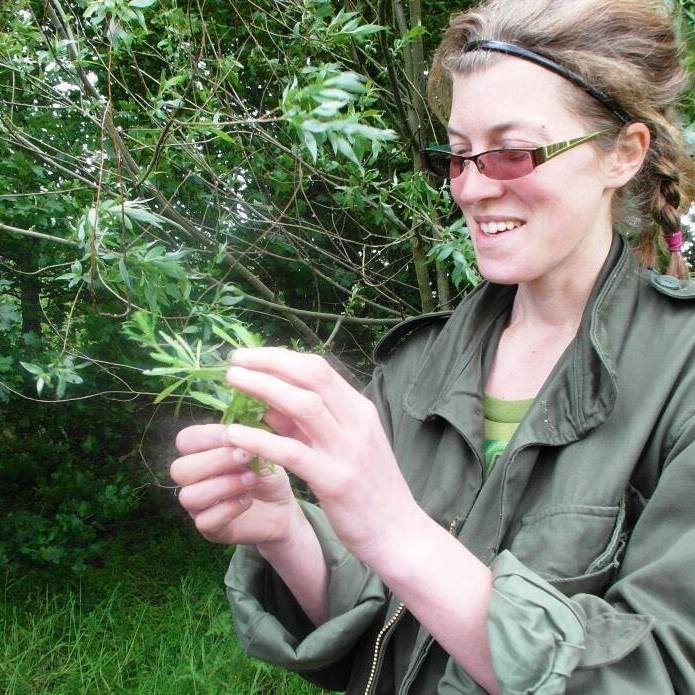
Identifying Hazel Over the last few weeks, male catkins of Common Hazel (Coryllus avellana) have been draping the bronzy twigs of our native small tree. They’re a welcome addition ot the otherwise muted colours of February. Hazel is monoecious, which means it’s a hermaphrodite. It has both male and female flower parts on one tree.…
-
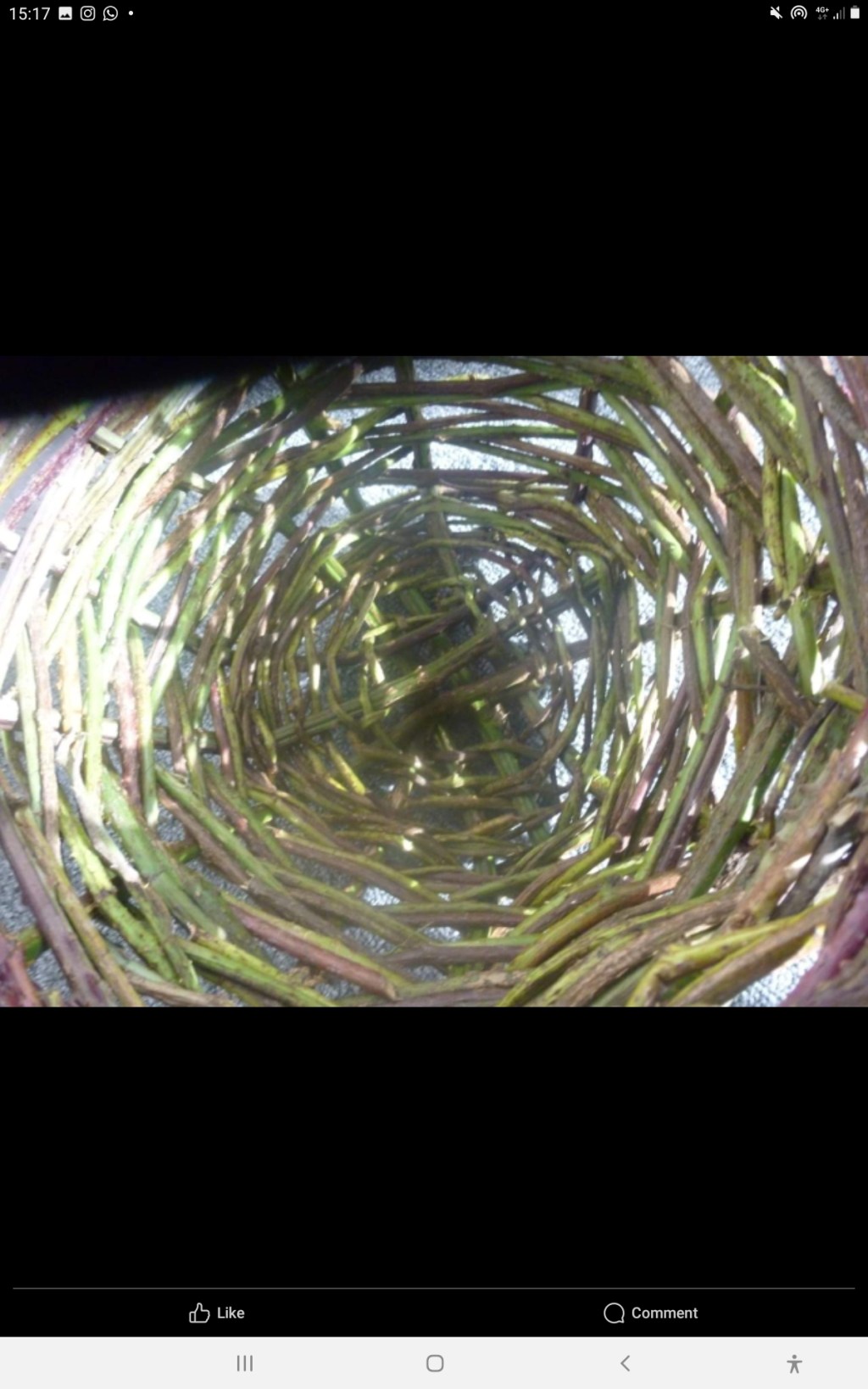
Making Bramble Baskets For Bushcraft Magazine
-
H.A. Foraging Journal – February Week 1
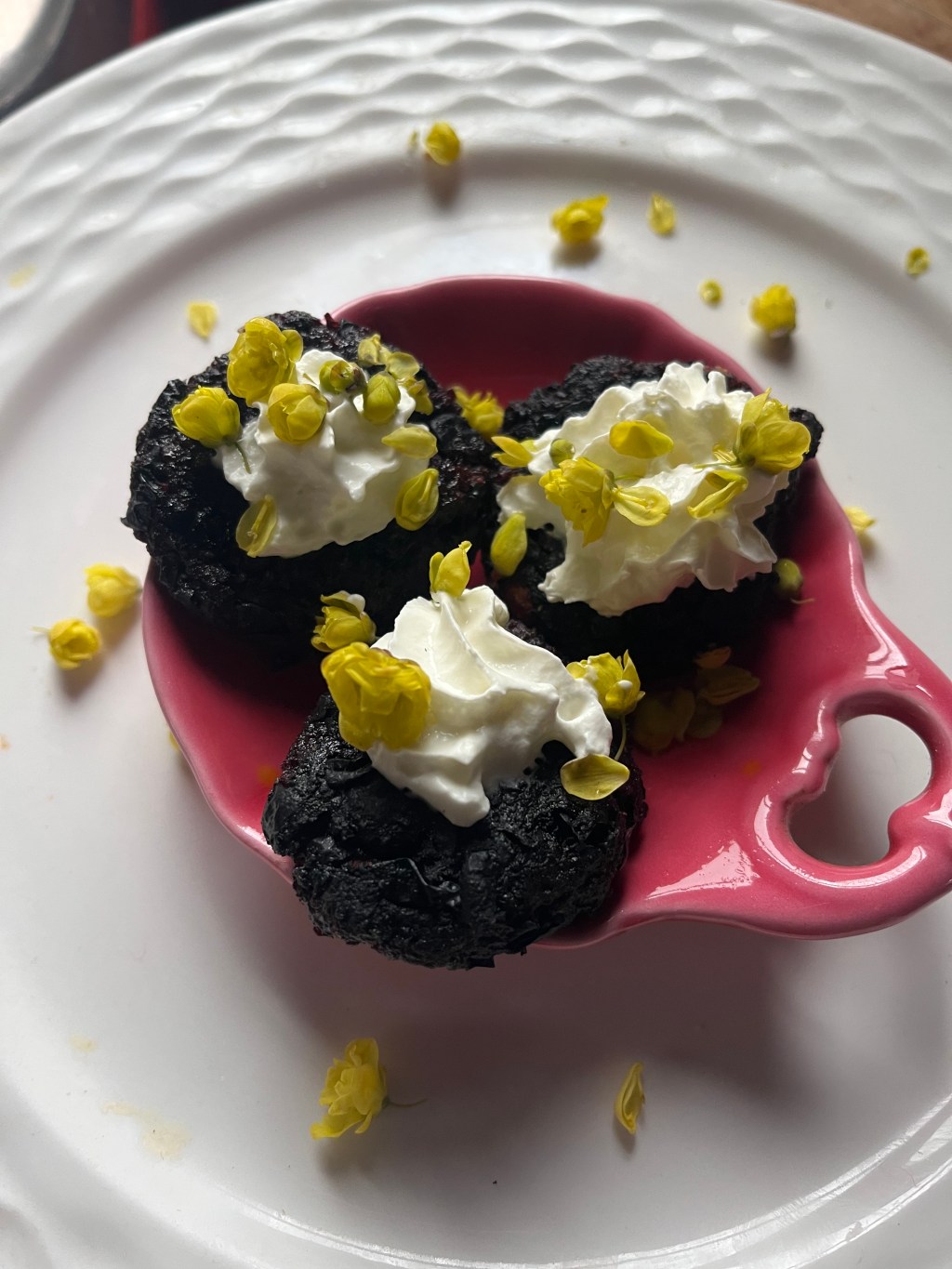
Buds are slowly revealing their silken insides on willow. Sycamore buds glow green, Blackthorn is dressed in hints of bridal white. Sloes are still out though, and they’ve been nicely bletted by the cold. I can even eat a few raw without wincing. Sloe Recipes A Sloe Ice Lolly could be a good bet, but…
-
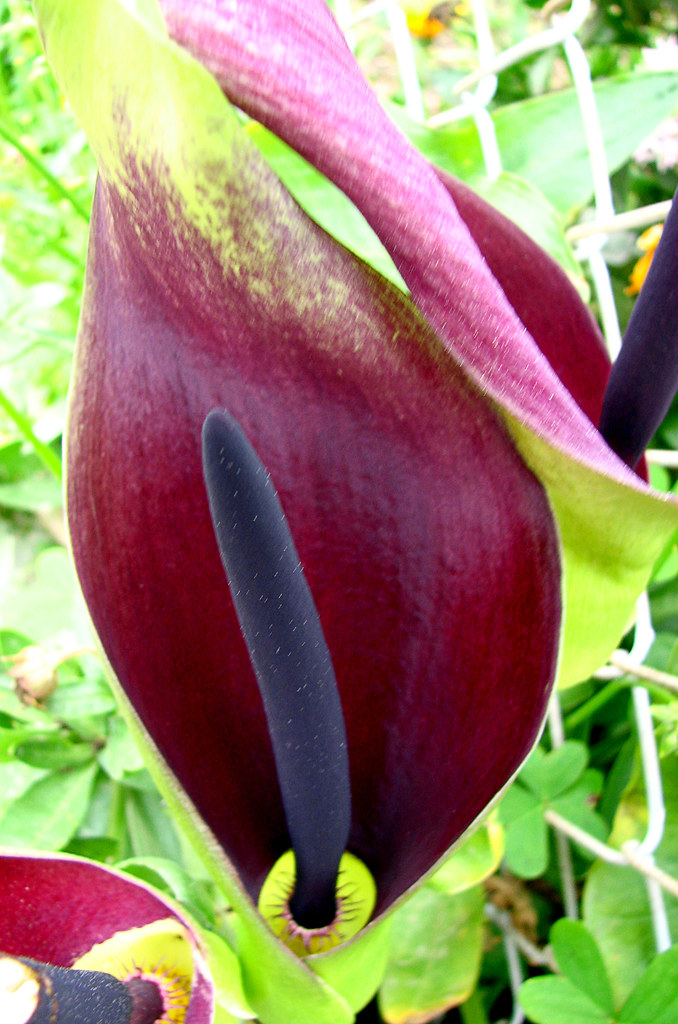
Can We Eat ARUM LILIES?
-
Track & Sign Pt 2: Plantation Wood & Rushmere
-
6 Roots You Can Eat In Winter (If Trump Destroys the World…)
If the world system fails, which looks increasingly likely with the behaviour of certain grown-up toddlers… be apocalypse-ready. Winter food Winter is traditionally the time to harvest roots. Plants store energy in the form of carbohydrates by stocking it up in their roots, bulbs, corms, tubers or rhizomes. Don’t worry about the terminology, unless you…
-
My Foraging Journal: January
-
ROWAN…Fire Engine Red Witchbane & What You Can Do With It.
Rowan trees are aglow with fire engine red berries in council car parks and waysides everywhere. They’re a popular landscaping tree, so chances are there’ll be one near you. They love growing high up, so check hills too. Rowan, or Mountain Ash, is known as Sorbus aucuparia in the botanical community. It’s a member of…
-
My Foraging Journal:November
A bit belated this one. October is a busy month for foragers in temperate zones. I’ve been testing out brambles for various types of basketry for 2 bushcraft/homesteading magazines. Brambles are hard-wearing if you can evade and conquer the thorns! The best time to harvest bramble for this is actually summer, as they are more…
-
How Can We GIVE BACK to Nature?
 HEDGEWITCH ADVENTURES Blog