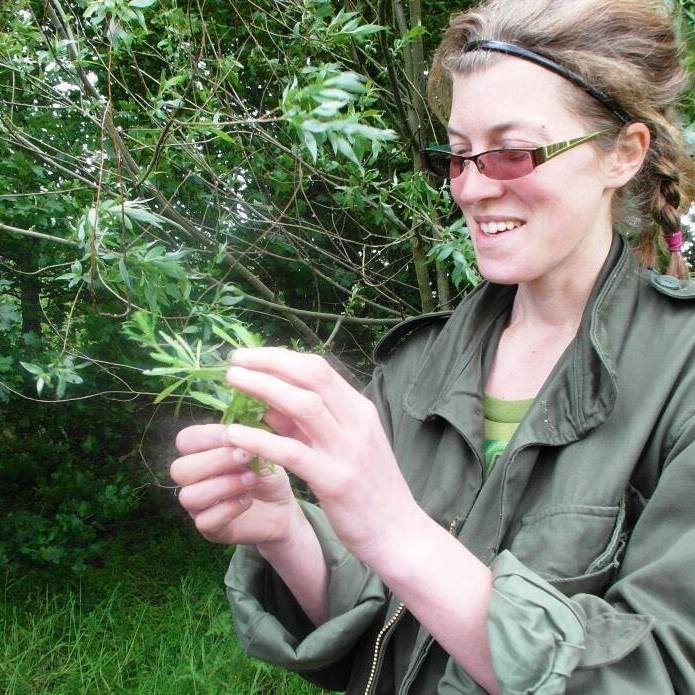
-
FEBRUARY HAZEL POLLEN: Sweet or Savoury?
Identifying Hazel Over the last few weeks, male catkins of Common Hazel (Coryllus avellana) have been draping the bronzy twigs of our native small tree. They’re a welcome addition ot the otherwise muted colours of February. Hazel is monoecious, which means it’s a hermaphrodite. It has both male and female flower parts on one tree.…
-
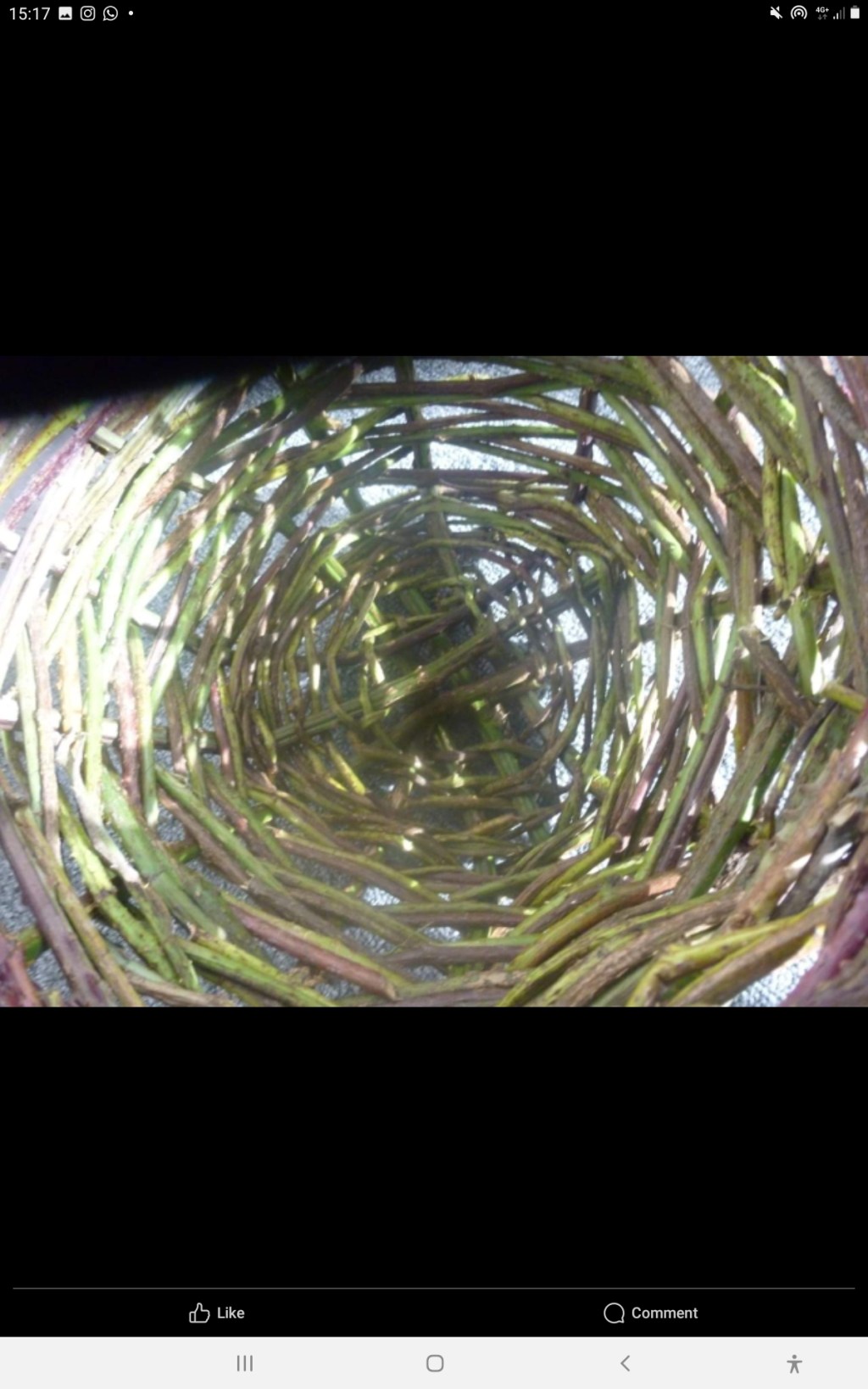
Making Bramble Baskets For Bushcraft Magazine
-
H.A. Foraging Journal – February Week 1
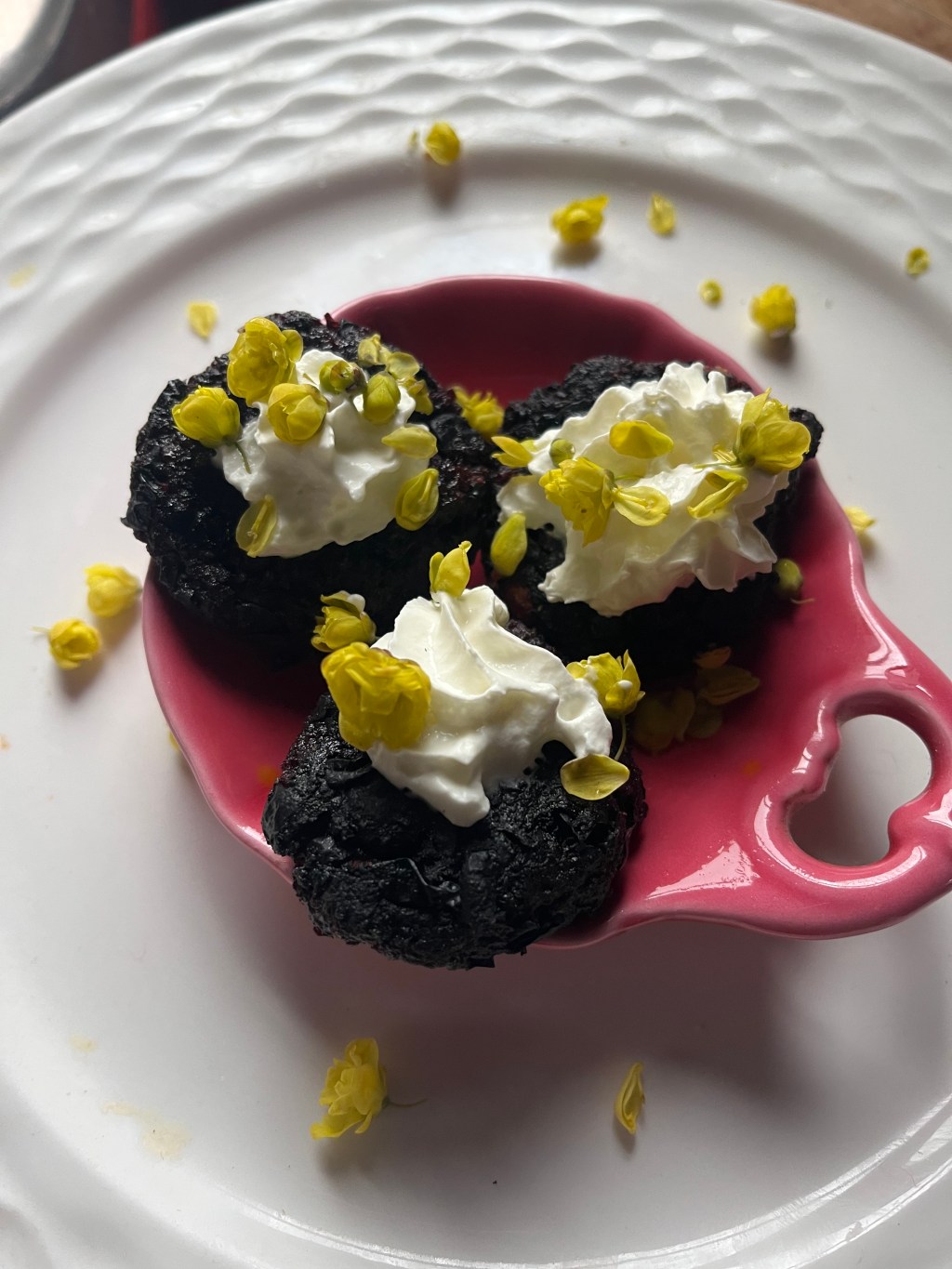
Buds are slowly revealing their silken insides on willow. Sycamore buds glow green, Blackthorn is dressed in hints of bridal white. Sloes are still out though, and they’ve been nicely bletted by the cold. I can even eat a few raw without wincing. Sloe Recipes A Sloe Ice Lolly could be a good bet, but…
-
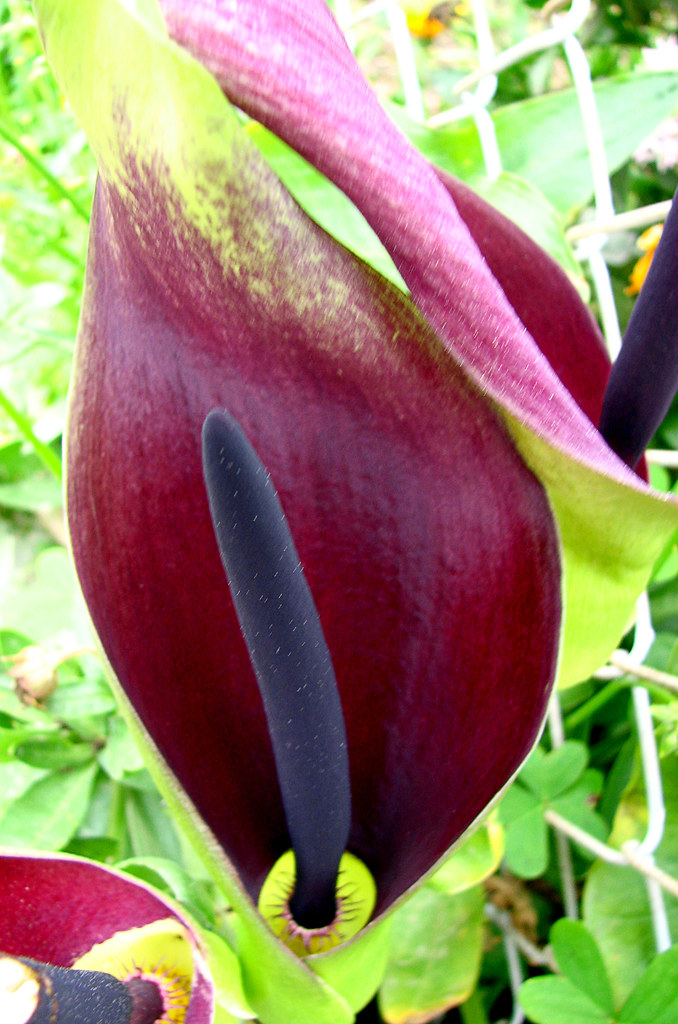
Can We Eat ARUM LILIES?
-
6 Roots You Can Eat In Winter (If Trump Destroys the World…)
If the world system fails, which looks increasingly likely with the behaviour of certain grown-up toddlers… be apocalypse-ready. Winter food Winter is traditionally the time to harvest roots. Plants store energy in the form of carbohydrates by stocking it up in their roots, bulbs, corms, tubers or rhizomes. Don’t worry about the terminology, unless you…
-
Autumn Forage With Tapas Tasters, Sept 16th @ The Globe, Linslade, UK
Had a lovely day taking some already quite knowledgable people out for an Autumn Foraging Course. (Thankfully I was still able to teach them something!) Two were returners from my Summer courses. We traversed the towpath, taking in the delights of Ground Elder (Aegopodium podagraria), which is a maligned and invasive superfood brought over by…
 HEDGEWITCH ADVENTURES Blog