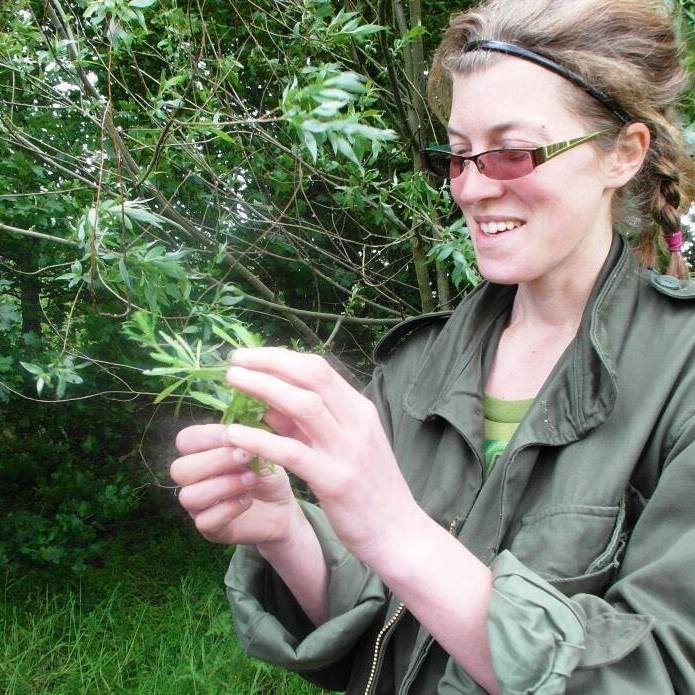
It’s ever more important to realise that as foragers we are part of the cycle of life, not looking down on it, not the broken end of a chain of energy.

When you first start foraging, you may not feel this way. However, as time goes on and you become more attuned to the plants, the seasons and your local wilderness (which could be a National Nature Reserve or a window box!) and your’e harvesting, at the same time noticing the insects, the molluscs, birds, mammals that feed on your food plants, and the same time becoming aware of how that plant is cunningly using yourself, the wind, water and other animals to spread its seed far and wide. Or it would be, if we are listening correctly.
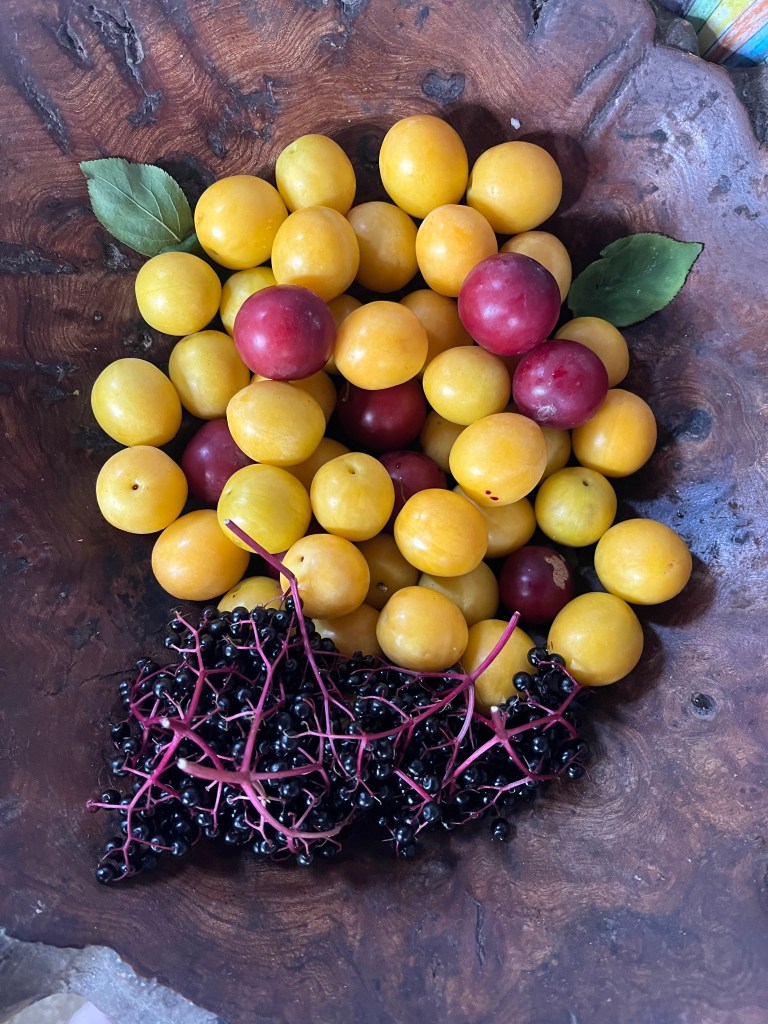
Sooner or later, whilst foraging, you’ll find yourself whispering: “Thank you, Elder bush, for this gift of elderberries.” Even though you feel like a bit of a narna.
And you’ll want to give back.

TAKING TOO MUCH?
As many of you will be aware, an article in the Times recently slammed “middle class foragers” for “stripping nature reserves bare” as well as “Tik-Tok foragers” poisoning themselves on fungi.
There will, as in any occupation or pastime, people that take too much. This is especially true in the case of commercial harvesting for restaurants, for example. Britain simply doesn’t have large enough areas of wilderness for this to be sustainable.
I have never harvested wild food commercially and do not plan to. However, I do believe in showing others how to find wild food and connecting them to the Source. I explain to them that we only take a small amount of what is there, and only if there is enough. As above, sooner or later we realise we’re part of the cycle.
LIVE WITHIN YOUR LIMITS
As I work in the same areas, the size of my business and number of people I can take on courses will always be limited by this. Guess what? I’m happy with this. I don’t need any more than I have. The economy tells us we have to grow, grow without stopping. We “need more” to be fulfilled. And when we get there, that ‘more’ won’t be enough either. Humanity is acting on a myth that we have to grow like a virus, like cancer.

I believe we don’t.
Consider mushrooms. Their fruiting bodies grow to a certain size, then stop. Consider fish. They grow to the size of their environment. Consider the birch tree, growing first and dying first and providing a nursery for the sapling that will one day be a mighty oak.
This is the balance. So how can we be part of it?
REMEMBER: WE’RE PART OF THE CYCLE!!
Once you’e been foraging for a while, you’ll start to notice you are already part of the cycle. You see it, you feel it, first-hand.
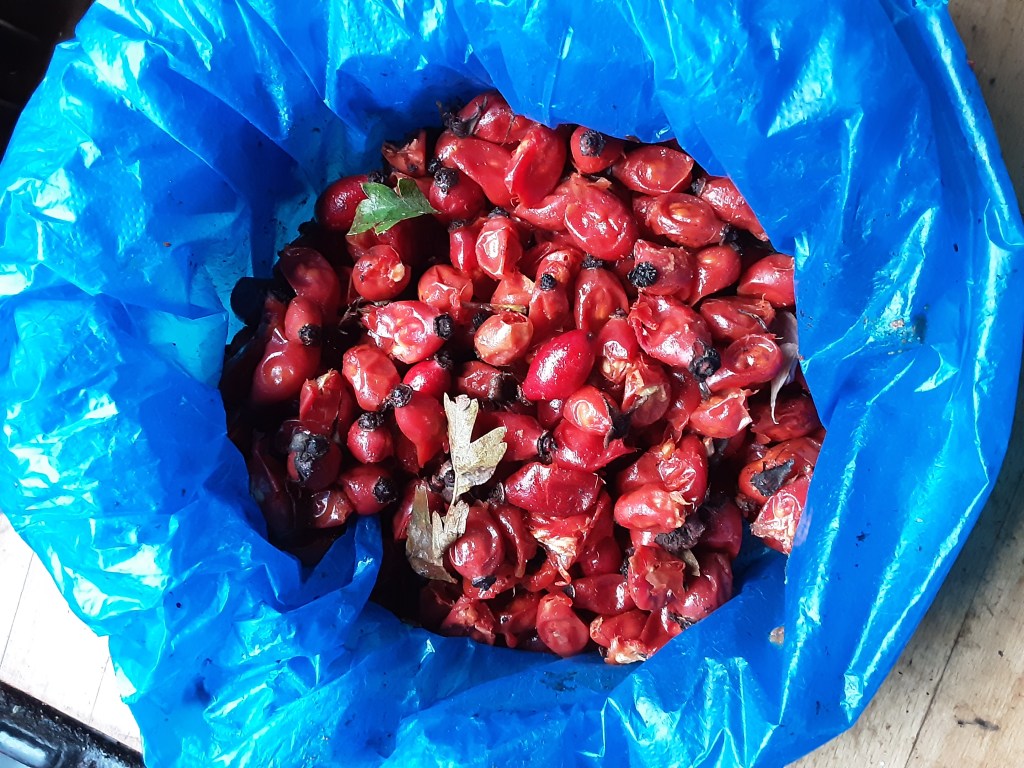
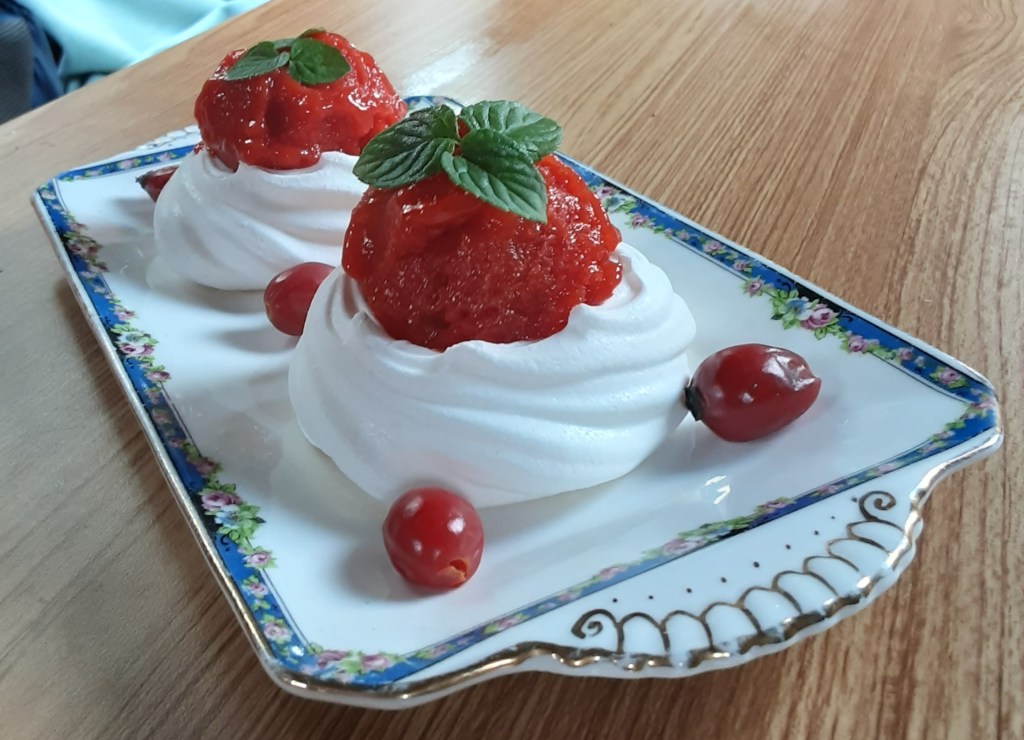
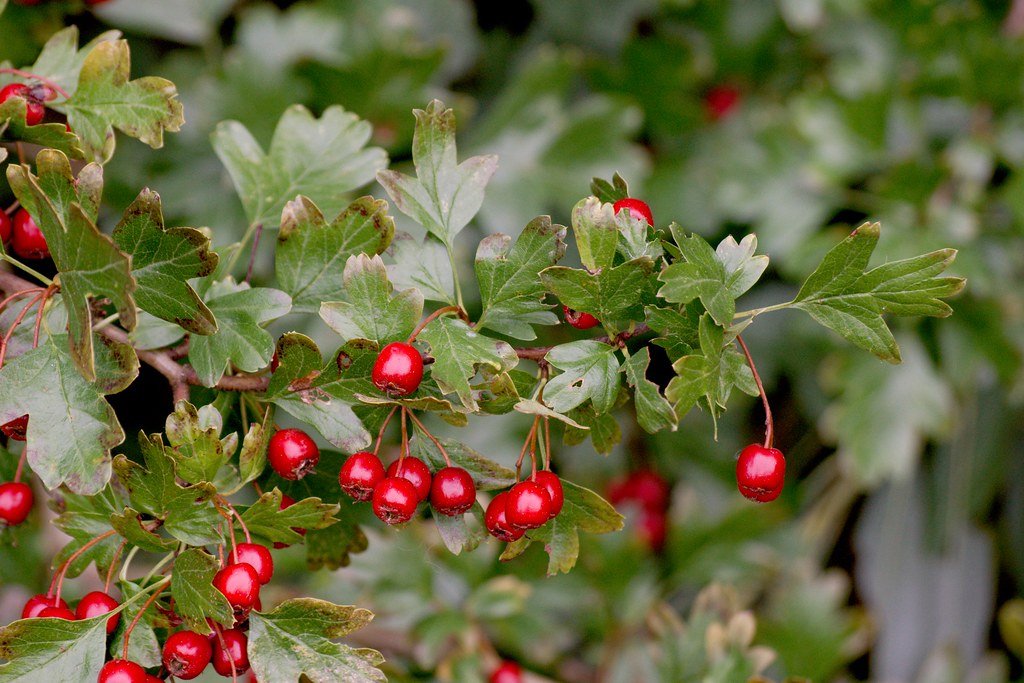
Rosehips, for example. When the wild Dog Rose is ready, and the temperature cold enough, its hips become ‘bletted’. the flesh is soft, the colour goes matt instead of shiny. I pick them and me and my son squeeze out the raw Vitamin C rich paste. We lick it off our fingers, or collect it in a small jar for later. You might collect them and cook them.

HELP THEM GERMINATE!
Now the rose bush WANTS us to eat its hips. It wants us to transport them to another nice sunny, hedgerow location and either throw them there or poo them out so they can grow into new rose bushes. Generally speaking, the latter is socially unacceptable, though not to the rose bush. Roses, as every gardener knows, adore poo.
So if you want to help out the rose bush and fulfill your part of the deal, all you have to do is throw its seeds somewhere further along the path where it’s a nice place to grow. That’s why it’s bothering to feed you after all.
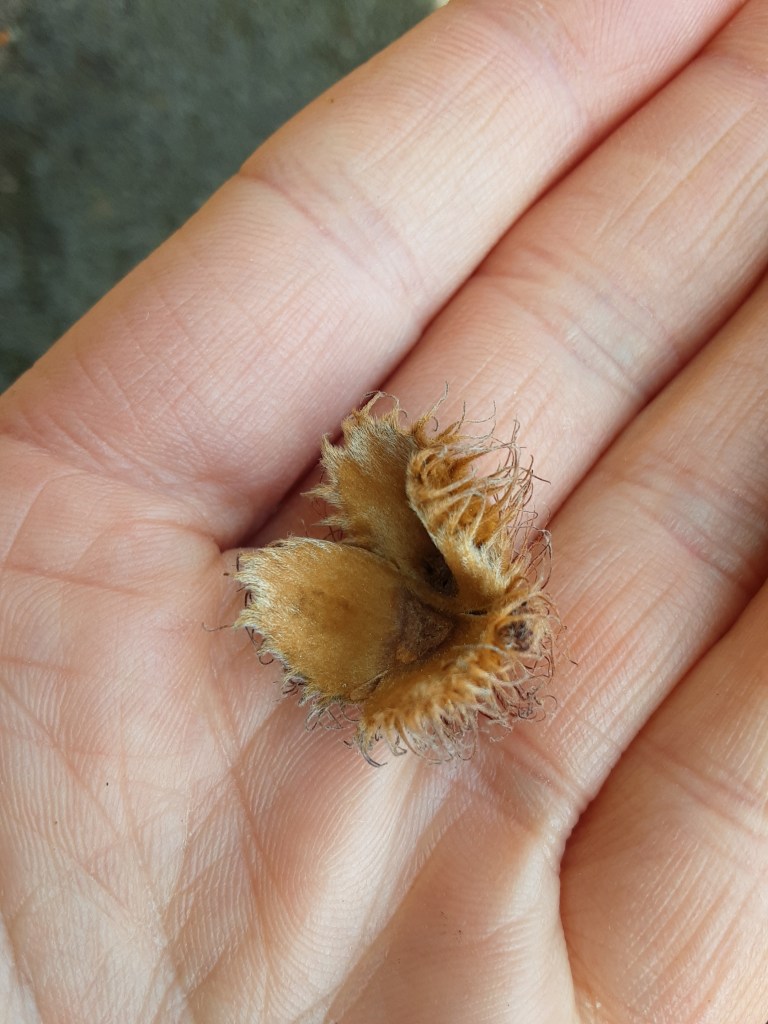
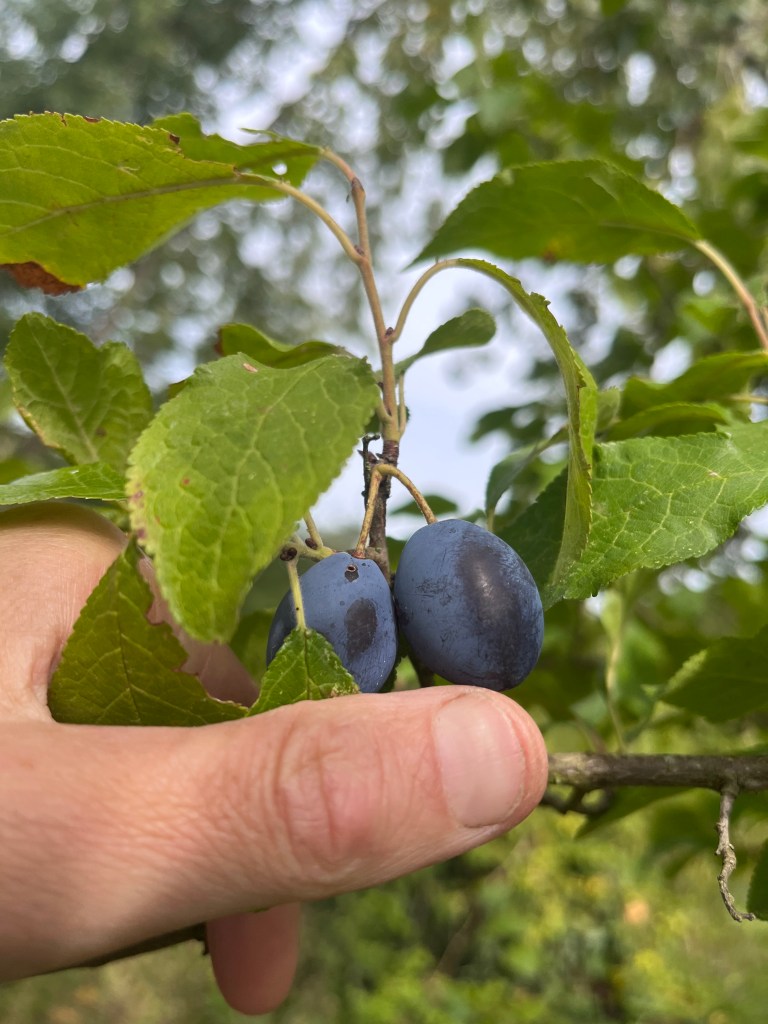
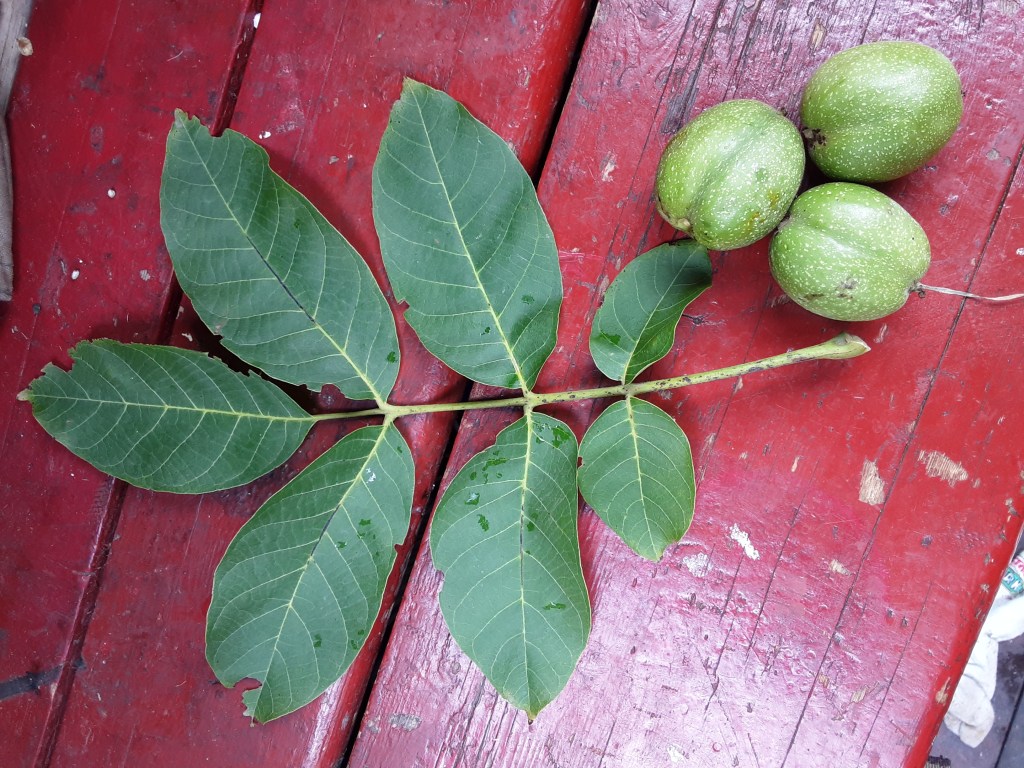
Same deal for other fruits, nuts (here the nut tree is hoping that, like the squirrel, you’ll bury some and forget them!) and seeds. Observe where the plant likes to grow – sun or shade? Acid or chalk soil? High and dry, or low down near water? Go sow some wild oats.
WARNING: Obviously, if a plant is listed as invasive – Himalayan Balsam or Japanese Knotweed for example – don’t help it spread its seeds!
FEED THEM, GIVE THEM A GIFT
This is something else I like to do for wild food plants. As they’re wild, it feels more like a gift than feeding them like they’re some sort of pet. So what do plants like as a present?
Plants need nitrogen, potassium, phosphorus and many more trace minerals. Nitrogen is an easy one. Bluntly, this means wee. (It also means blood, but this is hard to pull off, scares people and is painful.)
Except for menstrual blood – more on that in a minute.
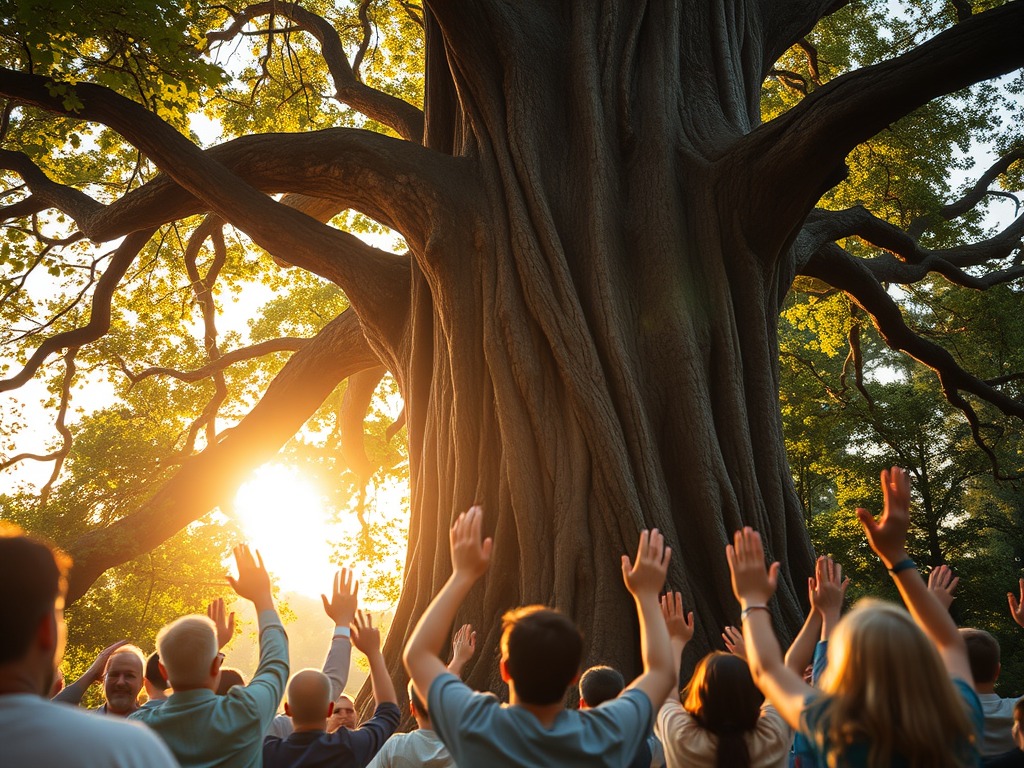
In olden times, animal and even human blood sacrifices were made to venerable ancient trees in some cultures. Though today very illegal, antisocial and not at all recommended by this author, you can see where those ancients were coming from. They knew they should give back. This is where the notion of sacrifice came from. As in this passage from J.G Frazer’s classic, ‘The Golden Bough’.
“Among the tribes of the Finnish-Ugrian stock in Europe..the grove with the hanging skins of former sacrifices..at the centre, the sacred tree, before which the worshippers assembled, the priest offered his prayers, and at its roots the victim was sacrificed..”
Ok, we won’t be doing that, so…it’s wee, menstrual blood, or Comfrey/Nettle Tea.
Wee is easily done as we generally have some handy, and as long as your’e not observed, you’re good to go and wee by tree roots and woody fruit bushes, which enjoy a lot of nitrogen. If youre going to wee a lot in one spot, water it down as the acid content can burn green herbaceous plants. You can also mix it 50:50 with wood ash, which is alkali and contains potassium and phosphorus.
Martin Crawford of the Agroforestry Research Trust agrees. He feeds his forest garden fruit trees on wee.
“40 pees a year is sufficient for one apple tree.” he told me when i visited his forest garden in Dorset.
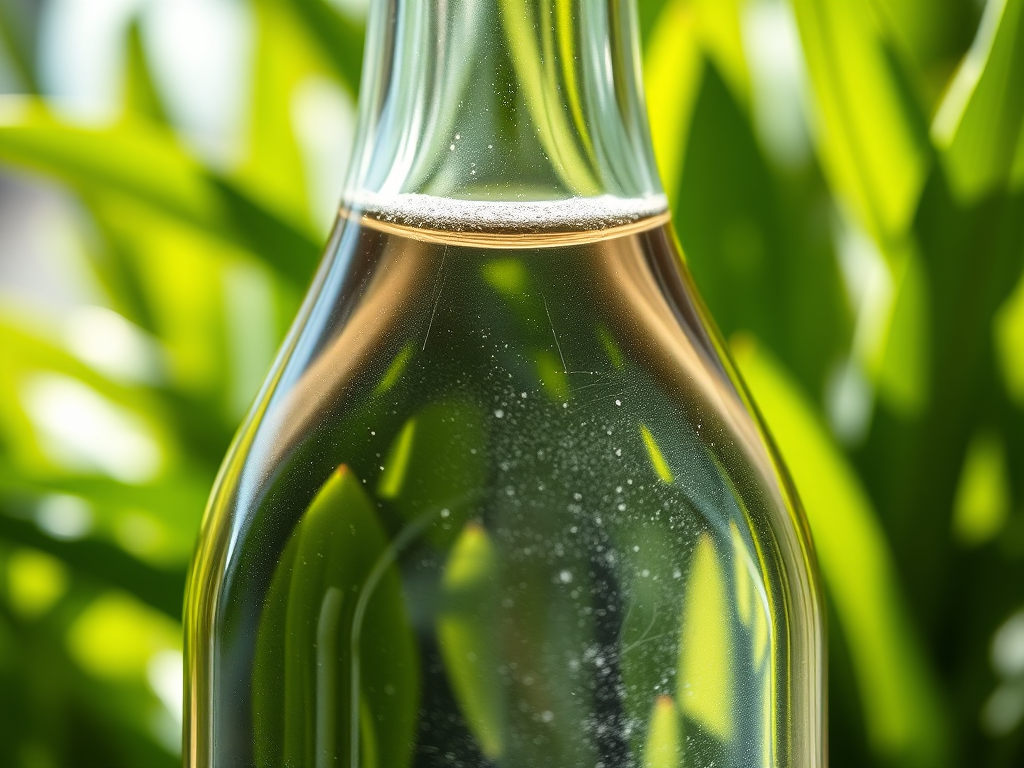
Green plants such as Chickweed and Nettle thrive in nitrogen-dense soil, such as near manure piles or, erm, near pubs and bridges. Stating the bleeding obvious – where those caught short by excessive alcohol relieve themselves. We’re part of the cycle, get it?
Our wee isn’t disgusting. It only becomes so when we pour it into plastic and let it sit till it honks, or pour it through myriad pipes and into the water system where it overflows from sewage treatment plants and causes an algal bloom and sickness in animals and people.
Don’t get me started.
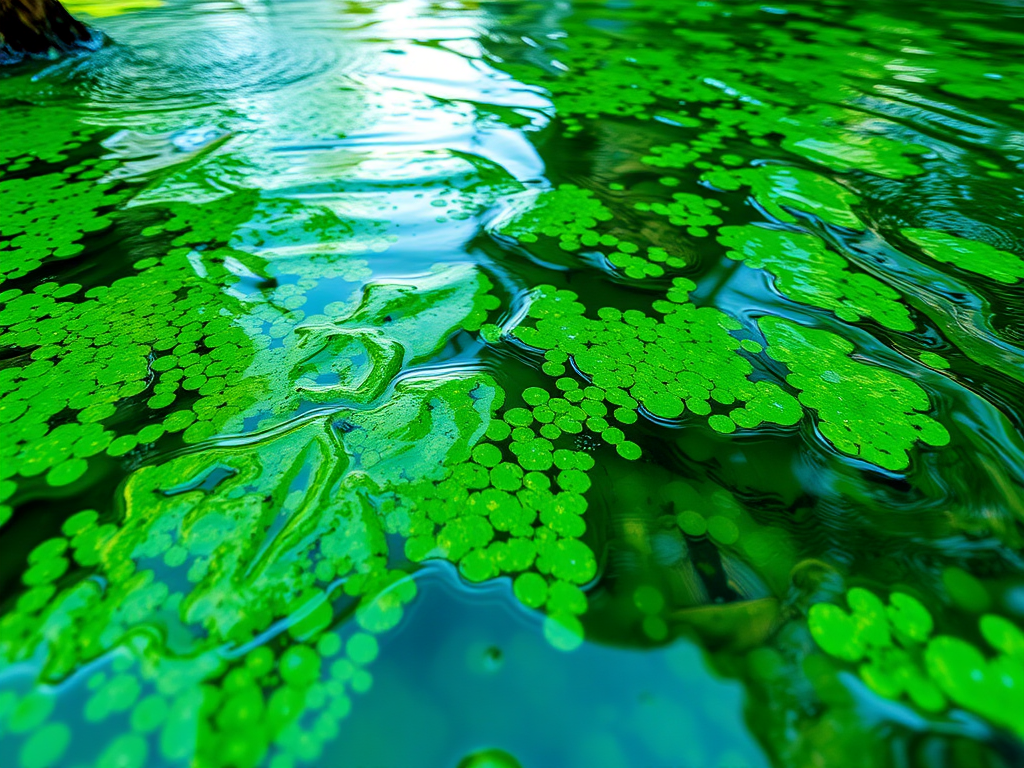
Period blood – yuck, right? Well, actually it’s only that society has conditioned us to think this way. According to ‘Menstruation and Plant Science – a symbiotic relationship’ in the International Journal of Pharmacognosis and Life Science, menstrual blood is an even better present than wee.
“Menstrual blood is high in nitrogen, potassium, phosphorus – with smaller amounts of iron, calcium, and sodium. A useful food for plants – best to use watered down due to high salt levels”
This way, we’re tackling stupid taboos about periods whilst helping nature.

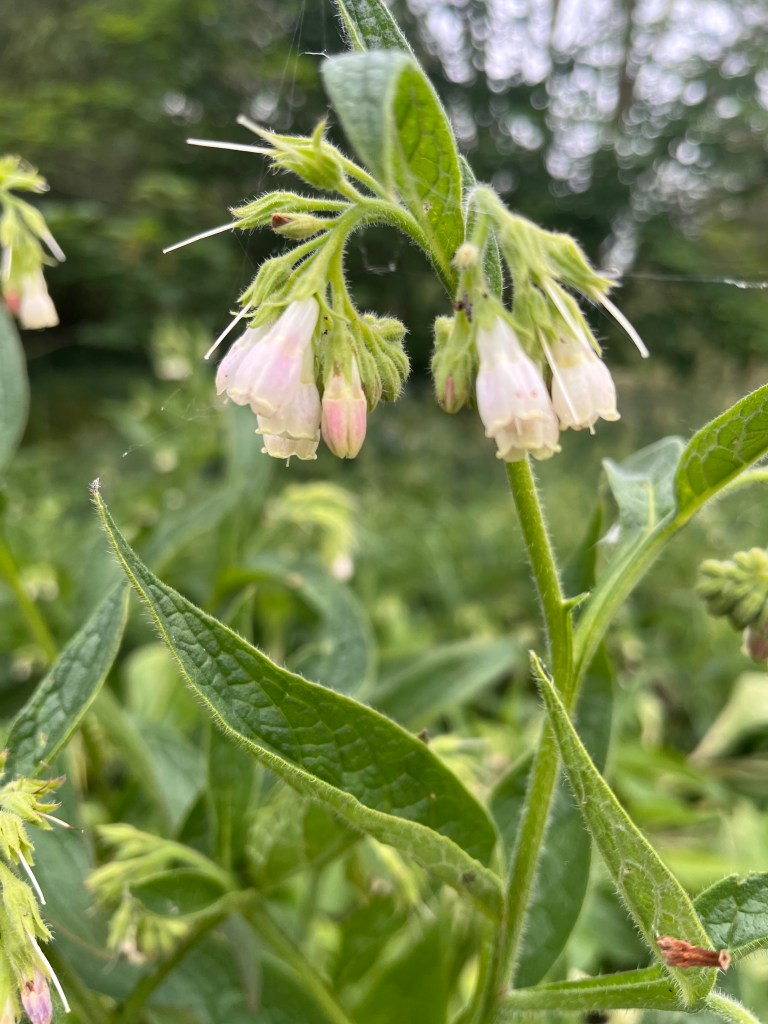
If your’e lucky enough to have a garden or allotment, steep some Nettles and/or Comfrey in water until they smell awful. This is a delicious drink for a plant, chock full of phosphorus and potassium, as well as nitrogen in the case of Nettles.
This is, also, less embarrassing then being caught on a tow path with your pants down. Like I said, weigh it up. Transporting your gift of wee in a (securely fastened) bottle is another option.
Use a dark coloured bottle to carry it in if you’re feeling shy…
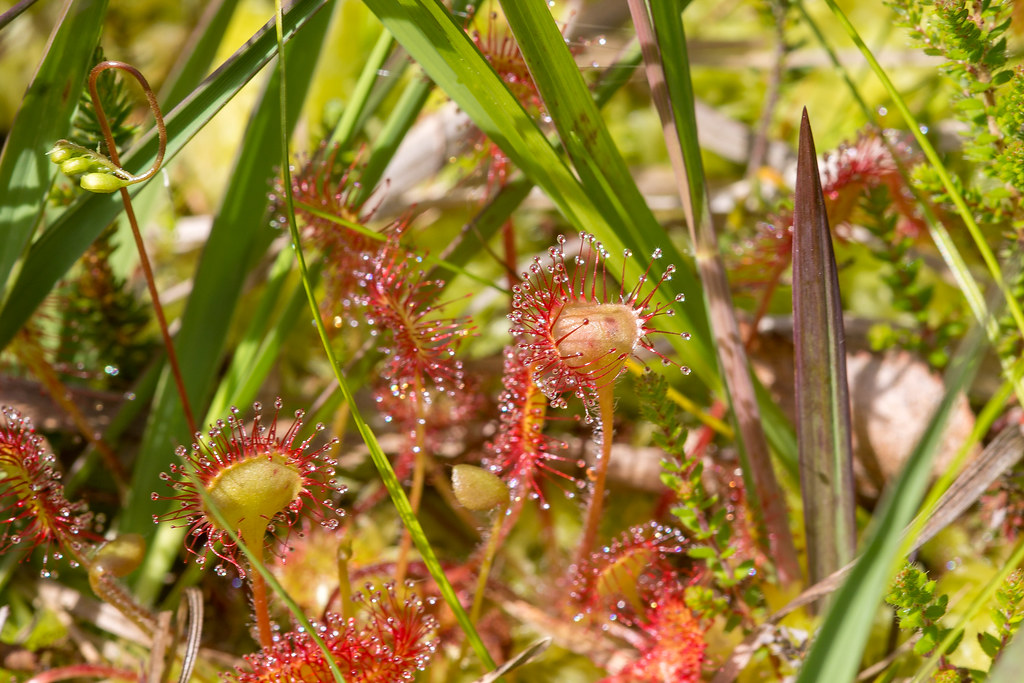
Lastly, some plants, like those that grow in chalk soil, do not like acidic soil. Wee is acidic. For them, avoid wee and give them comfrey or nettle tea instead. Do your homework and find out what your plant friend likes and doesn’t like.
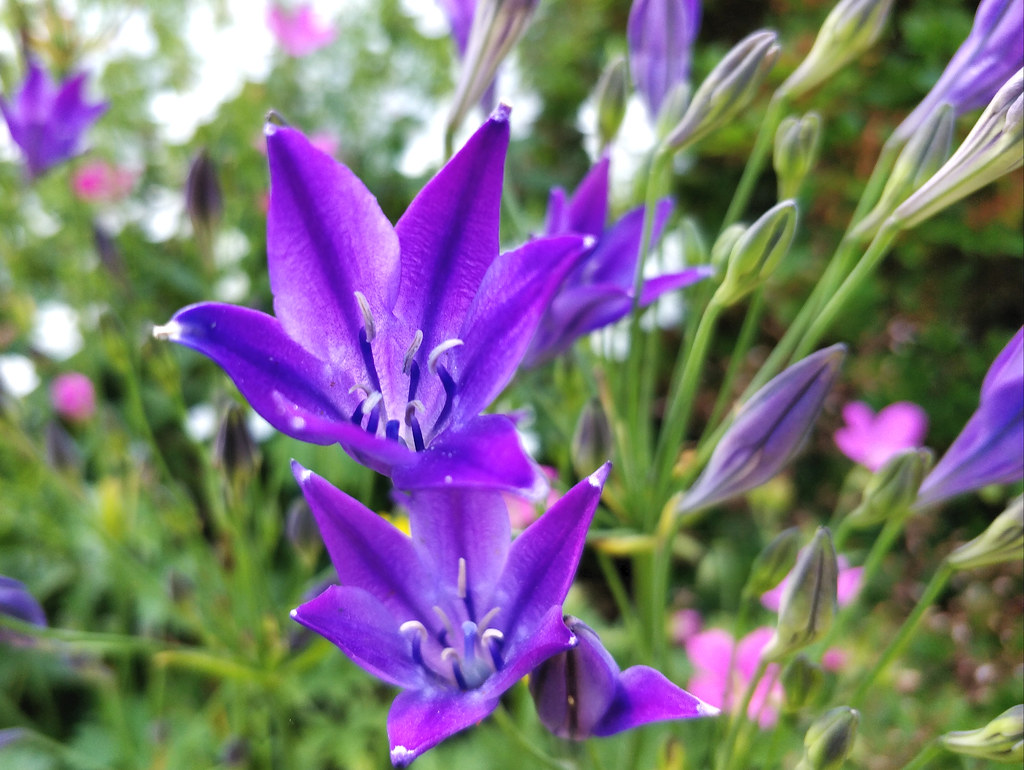
Below: Drosera, or Sundew, loves waterlogged acid soil. Campanula, or Bellflower, loves calcium-rich, quite dry alkaline meadows.
SPREAD THOSE SPORES
Take not this approach with fungi. Many fungi will not grow in soil that is too rich in nutrients. No wee or nettle tea for fungi then. So how can we help our favourite fungi to thrive?
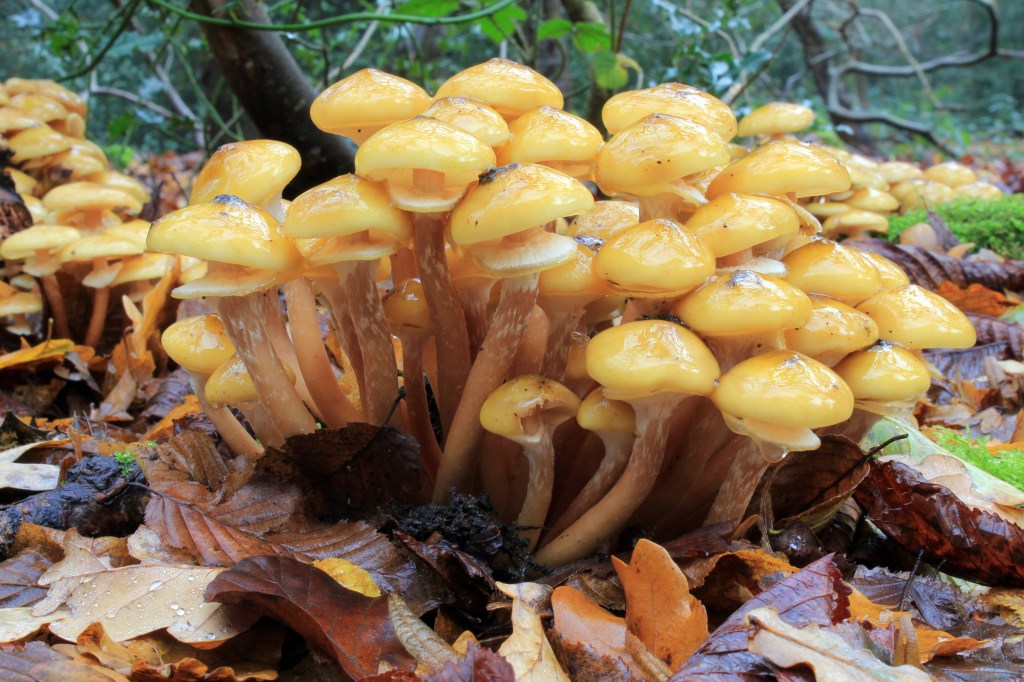
Some fungi, like the Stinkhorn, spread by enlisting the help of insects. Many more fungi have spores that are spread at the right time by the wind. What I do is take a few fungi for the pot, but make sure i pick a mature opened cap and then travel to the next tree I know the fungus is able to feed on/work with. This will vary according to the fungus. Does it feed on dead or live wood? Does it work in partnership with the tree (mycorrhizal) like a Bolete? Is it saprophytic (breaking down dead wood into soil)?
I’ll then shake the spores out of my Slippery Jack (Suillius luteus) cap around a pine tree, for example, tapping and shaking the cap. This looks very witch-like to any curious passers-by. Sometimes I like to mutter as I go to give them a damn good show.
WARNING: Yet again, be aware not all fungi should be helped to spread. For example, the dreaded Honey Fungus – this decimates live trees and is the scourge of nature reserves and gardens alike. Do your research first.

VOLUNTEER IN LOCAL NATURE RESERVES
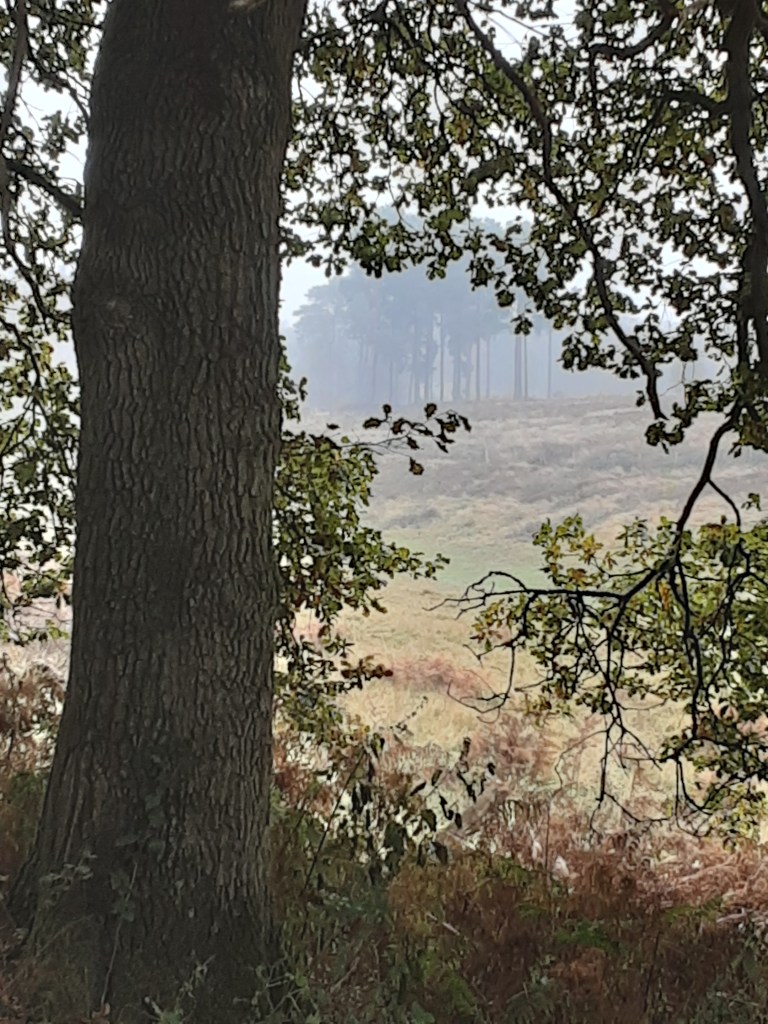
I like to help out in my local woods and nature reserves. This is a great way to give back, learn, and also make new friends. Most wild places have Facebook pages and posters with Action Days and events where you can clear forest paths, coppice hazel woods, make dead wood hedges or bug houses and check biodiversity.
NATURAL BURIAL
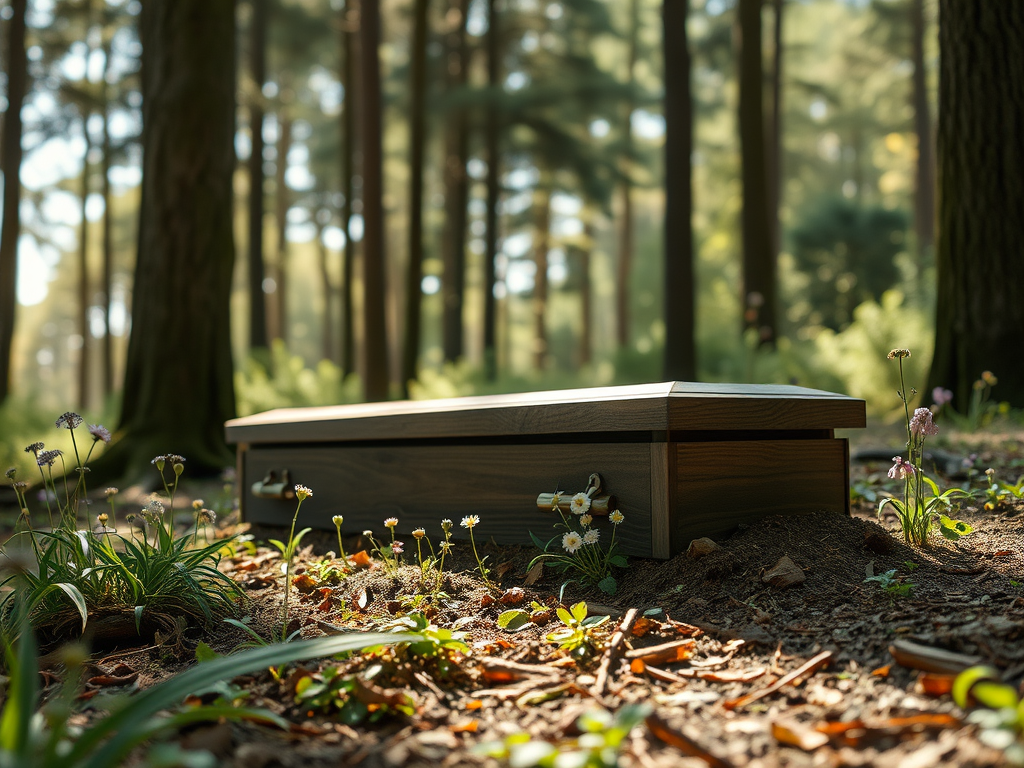
Planning well ahead, it’s nice to know one day I will be useful human compost. The human body contains loads of useful nutrients, but we may have to make do with cremation as it’s safer and more practical, not to mention cheaper.
Choose to lie in eco-friendly wicker or cardboard caskets. I always thought a Tesco box would do just fine and not bankrupt my family. Choose a nice fruit or nut tree to consume all your tasty ash and feed generations to come!
TEACH THE FOLKLORE & USES OF NATURE
A lot of what people do to harm nature is through ignorance. Teach what you have learnt to others. It’s not just a green blur. Or (here’s the obligatory course flogging bit) come on one of my courses, or give that gift to someone else.
For course dates for the rest of 2025 and early 2026 see my Pages on this site/my Facebook page at Hedgewitch Adventures for links and info on:
Winter Tree I.D. & Pub Quiz
Spring Foraging With Tapas
Spring Foraging with Sensory Quiz
Make Your Own Wild Kimchi
Make Your Own Herbal Medicine
xx Hedgewitch Kat xx
 HEDGEWITCH ADVENTURES Blog