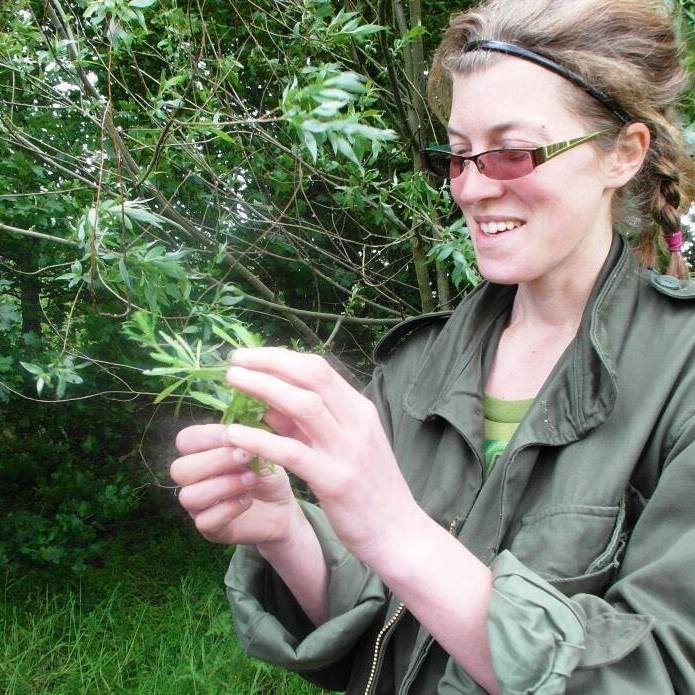
September is the golden, freckled season of seeds. There’s lots to forage now and much to store for winter. So here are 5 the seeds the boy and I been harvesting.
Well, ok, seeds I have been harvesting whilst my son moans about it and slumps in the footway.
PLANTAIN SEEDS
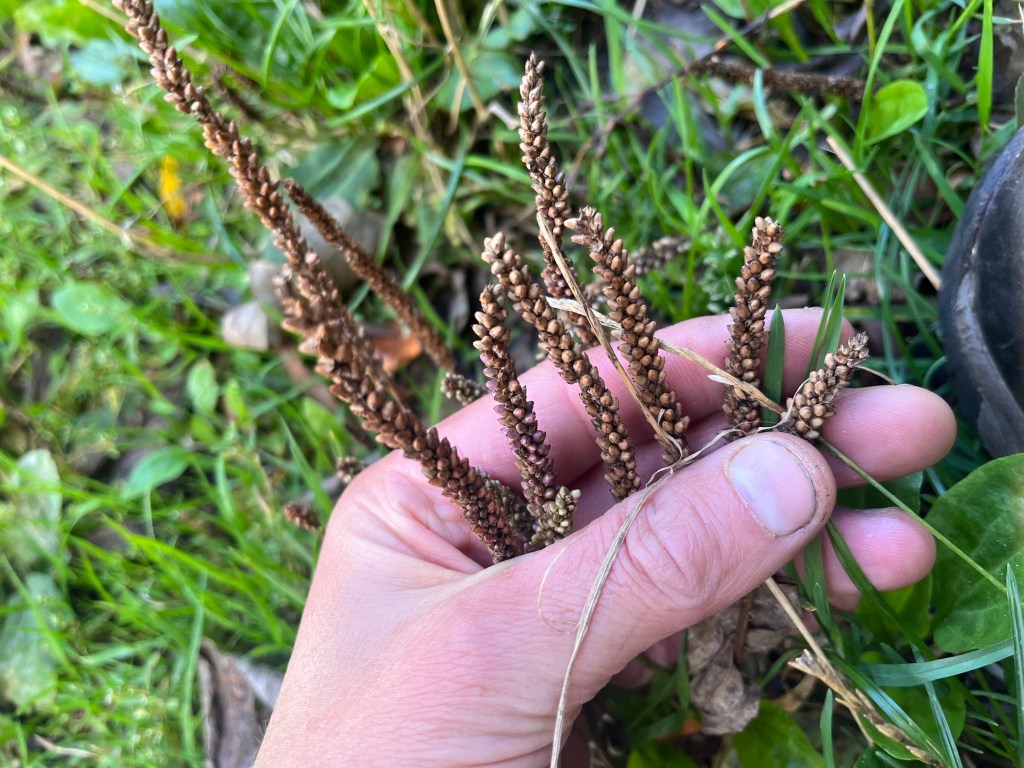
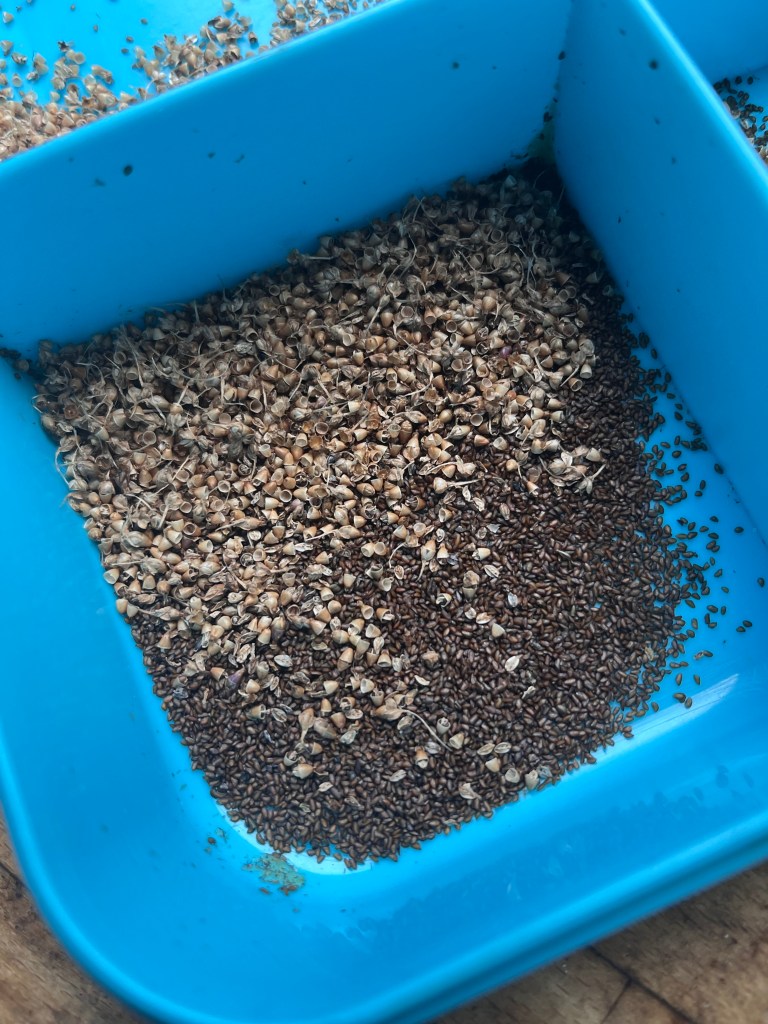
I’ve been shucking the long seed heads of Greater Plantain at my favourite patch by the lake. The seeds inside the husks are small and black. I blow gently on my harvest and shake the shallow tray to allow the wind to carry the golden husks away.
Why bother? Well the seeds are full of protein, Vitamin A and calm an irritated digestive tract with their mucilage. Great for sufferers of IBS. I like to add them to breads, sushi, and crackers. Recipe coming soon!

HIMALAYAN BALSAM SEEDS
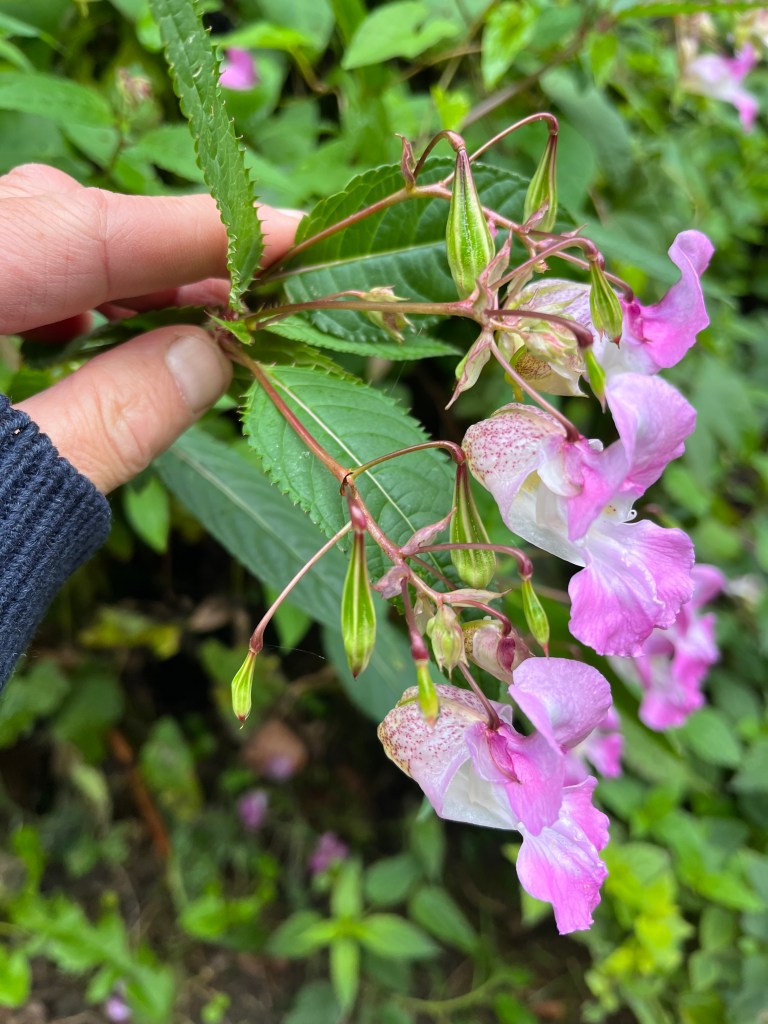
This invasive species is the scourge of other wild flowers on Britain’s waterways, but it sure has some tasty seeds. Impatiens glandifera is a close relative of garden ‘Busy Lizzies’.
Yes, I’ve said it before, but collecting these is the most fun you can have without paying (excepting successful romantic liaisons). The seed pods burst when ripe, hoping to fling their crunchy, walnut-flavour spawn far and wide.
You can foil their plan for world domination by throwing a bag over the seed heads and shaking vigorously. Voila! you have a bag of delicious seeds to dress salads, breads, crackers and stir fries with, and you’ve helped control the spread of this plant.

GARLIC MUSTARD SEEDS
Allaria petiolata seeds can still be found in their slender golden pods. The dead parent plants stand sentinel still. This fabulous pepperiness goes ‘kapow’ in your mouth.
Add them as you would pepper, though they have a more rounded brassica/mustard flavour. Flavour soups, quiches, omelettes, fresh tomatoes and meat. Strongly flavoured meat like pork stands up well to the powerful spice.
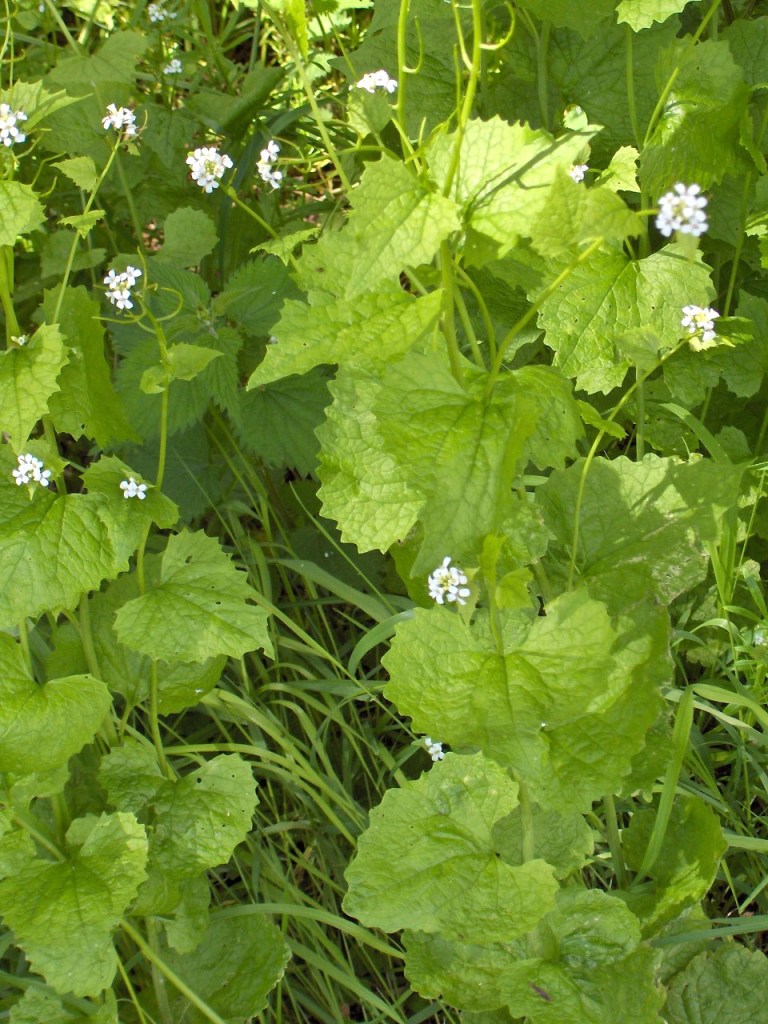
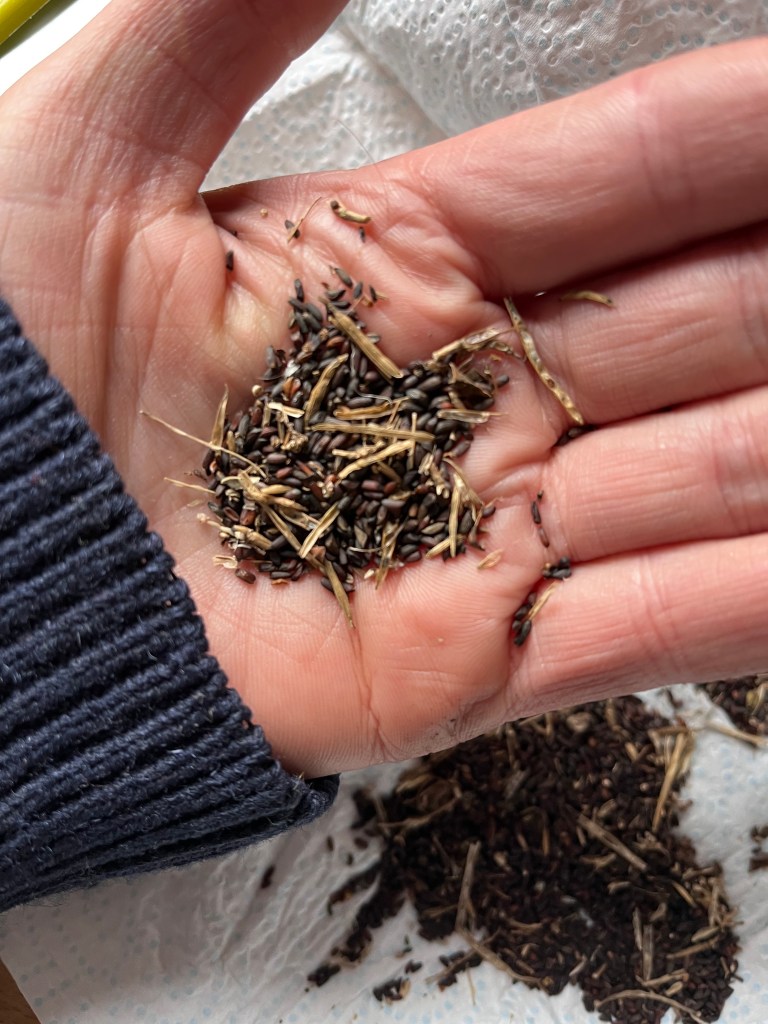
This is the plant whilst green. You’ll be looking for the leafless, dried stem with golden brown dry pods. Rub the pods to remove the seeds.
FAT HEN SEEDS
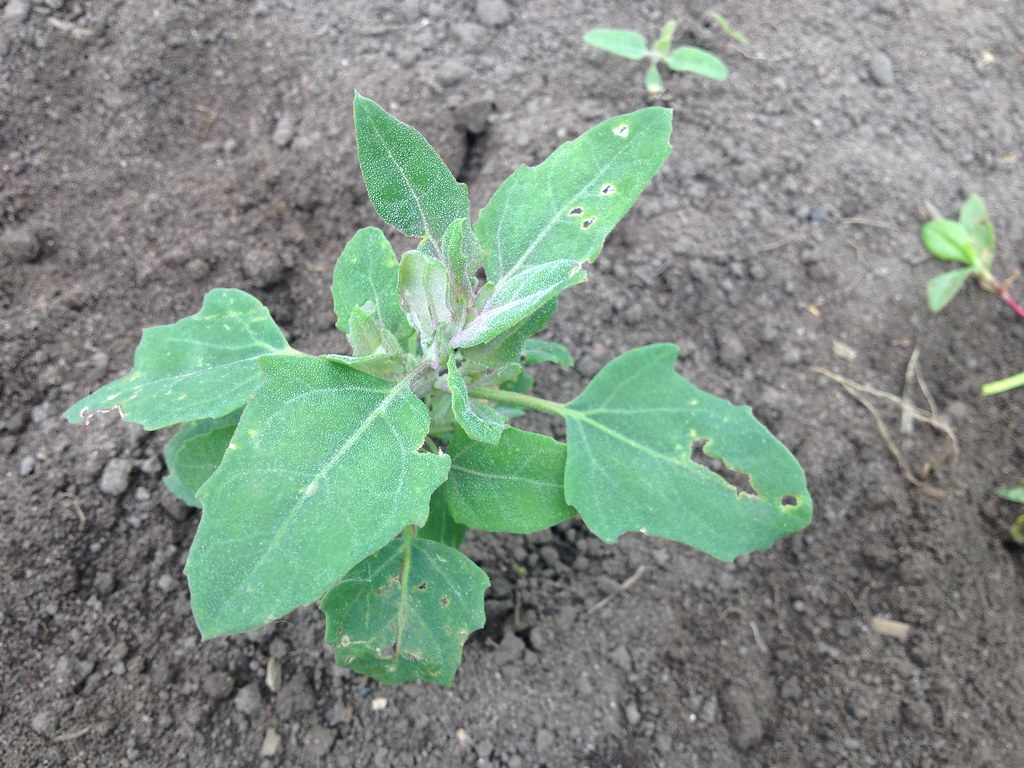
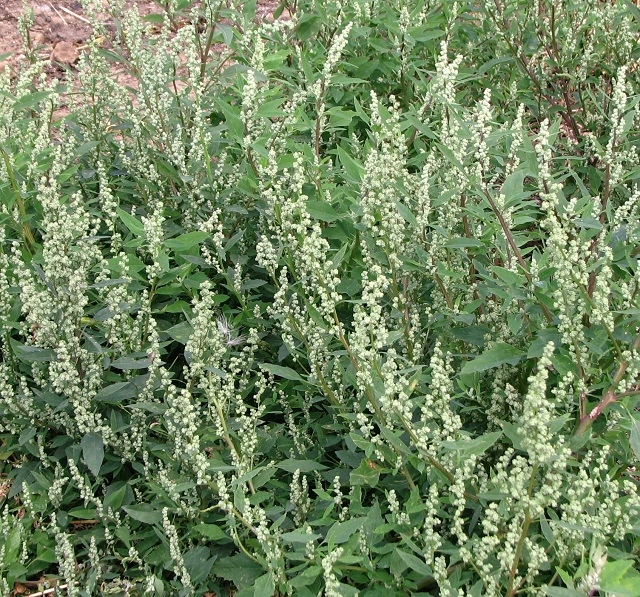
Chenopodium album is such a close cousin of quinoa, it’s forbidden for them to marry. Haha, boom boom. (I won’t give up my day job.)
This generous, protein-rich plant has delicious, creamy, triangular leaves in the spring that can be used like spinach. In September, you can collect the seeds. They have been eaten since Neanderthal times and probably earlier when we were still swinging from trees.
Like quinoa, the seeds are very nutritious but coated in saponins. This is to protect them from being eaten, which is not surprising really. You need to boil them and throw away the water several times to get rid of the bitter taste.
When the water boils clear and not cloudy, you can eat your fat hen seeds as a warming gruel-porridge. Improve the flavour with crab apple jelly and fresh wild apples. Yum. Or make a vinaigrette Salad with beans and grated veg.
COMMON MALLOW SEED
These blowsy pink wasteland and wayside flowers have large, scallop shaped wide leaves with a dark red dot where they attach to the stem. Malva species include the Marsh Mallow, the root of which is the original ‘marsh mallow’ sweet.
In September, their seeds poke up in a case that looks like a ‘Trivial Pursuit’ game counter. (You can date my 90’s childhood by this, folks!) These cases have the folk name of ‘cheeses’ due to their round shape full of wedge-like seeds.
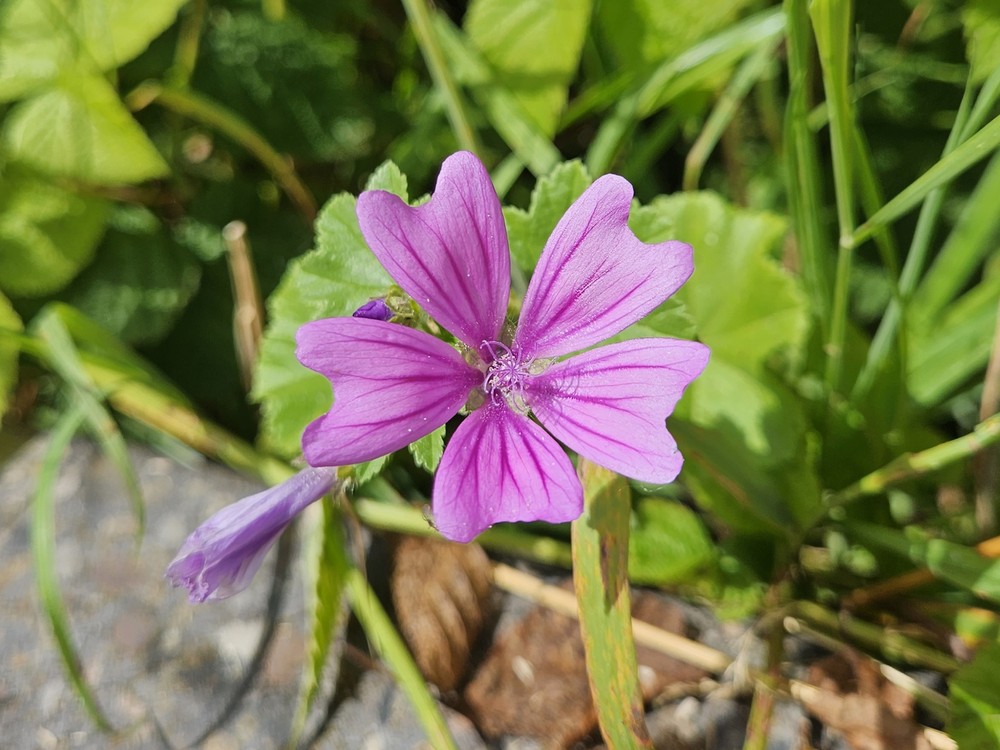

Below is a close up of the tiny ‘trivial pursuits’ or cheeses of Common Mallow.
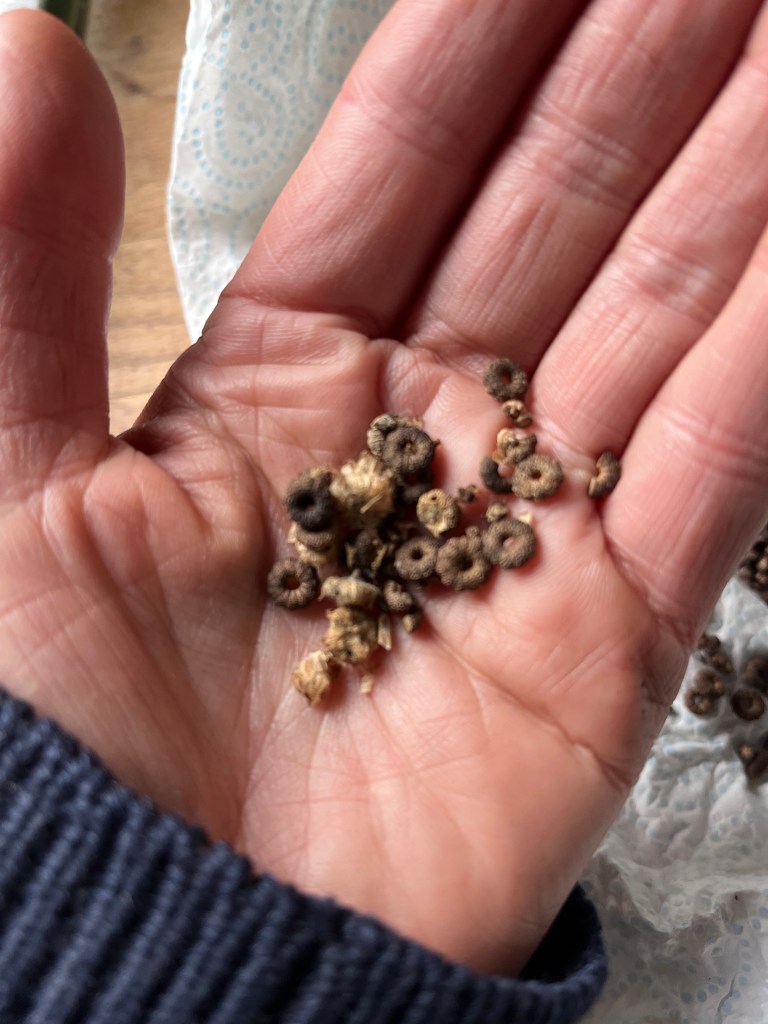
Common Mallow seeds have a mild flavour and chewy texture. They have the same IBS and inflammation-relieving properties as Plantain seed. They are also really pretty and look great embedded in the top of a seedy roll or a cheese straw.
Harvesting pro tips…
- Wait until mid morning to harvest, until the dew and damp has evaporated. You want your harvest as dry as possible.
- Choose a dry day (ditto).
- Harvest into tupperware boxes, jars or close weave bags. You can use plastic bags, but make sure to transfer into something breathable back at home.
- Spread your harvest out on a tray at home and allow any damp or insects to escape.
- Store in brown paper bags, bark containers or natural fibre sacks in a dry place. Jars/tupperware are ok if your seeds are bone dry.
- Store high up to avoid vermin, who also enjoy the energy, oils and protein in seeds!!
Enjoy your harvests, and remember I have several autumn foraging courses with tapas tasters coming up this Sept. See link in post above to book.
xx Hedgewitch Kat xx
 HEDGEWITCH ADVENTURES Blog
