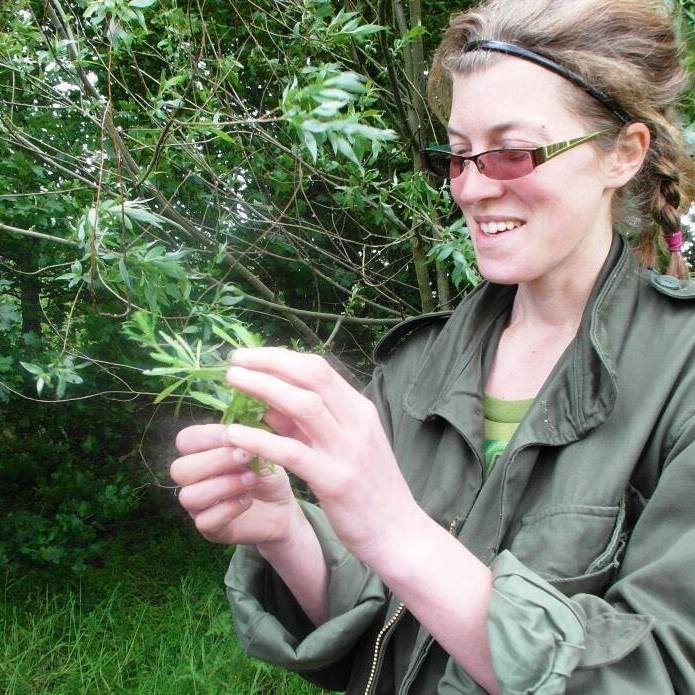
YES, you can still find wild fodder in the coldest and cruellest of months. Though it’s not the easiest time to survive, granted.
Here’s what I’ve been up to. Why not try some of this out for yourself? What foraging and bushcraft ideas have you come up with with in winter? Let me know in the comments!
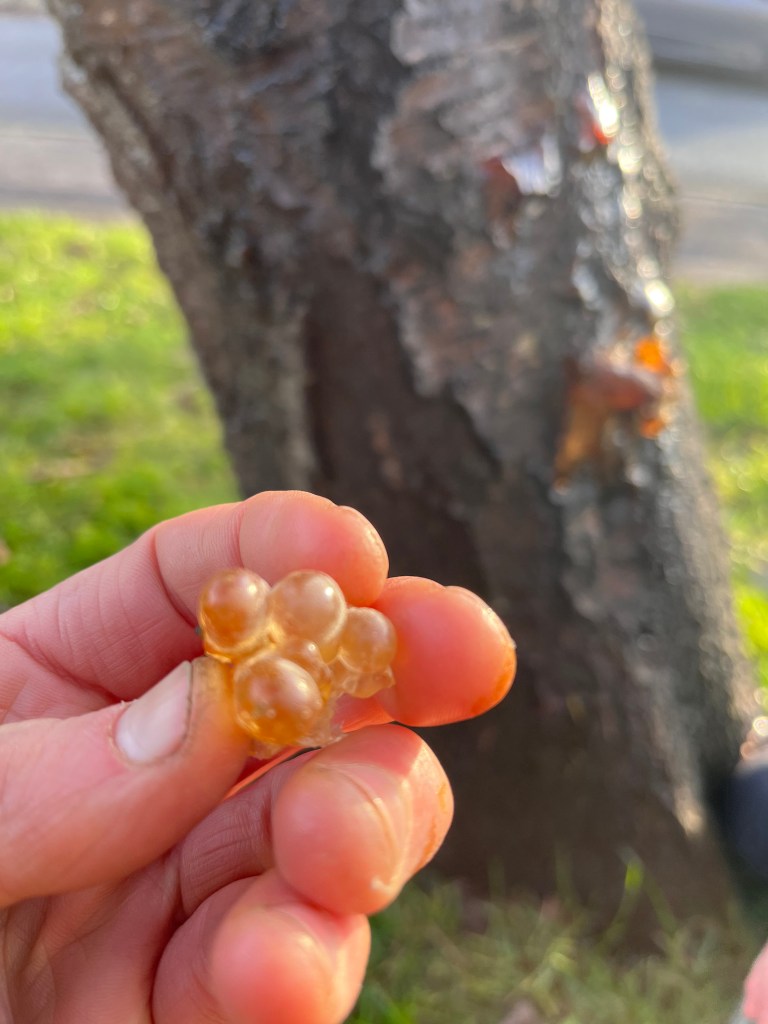
Me and the lad collected some resin from a Cherry Tree with a penknife. We use tree resin to make waterproof glue. Melt it in a pan with equal amounts of ground charcoal and bone powder. Pine trees are great for this. Look for resin in damaged areas caused by weather and pests. (Or tree surgeons.)
We stuck thick sticks in the glue and wound on the drying resin. Use it like a glue gun – warm dried glue over heat then apply.
You can use this glue to waterproof bark containers, shelters, and canoes. Etc!
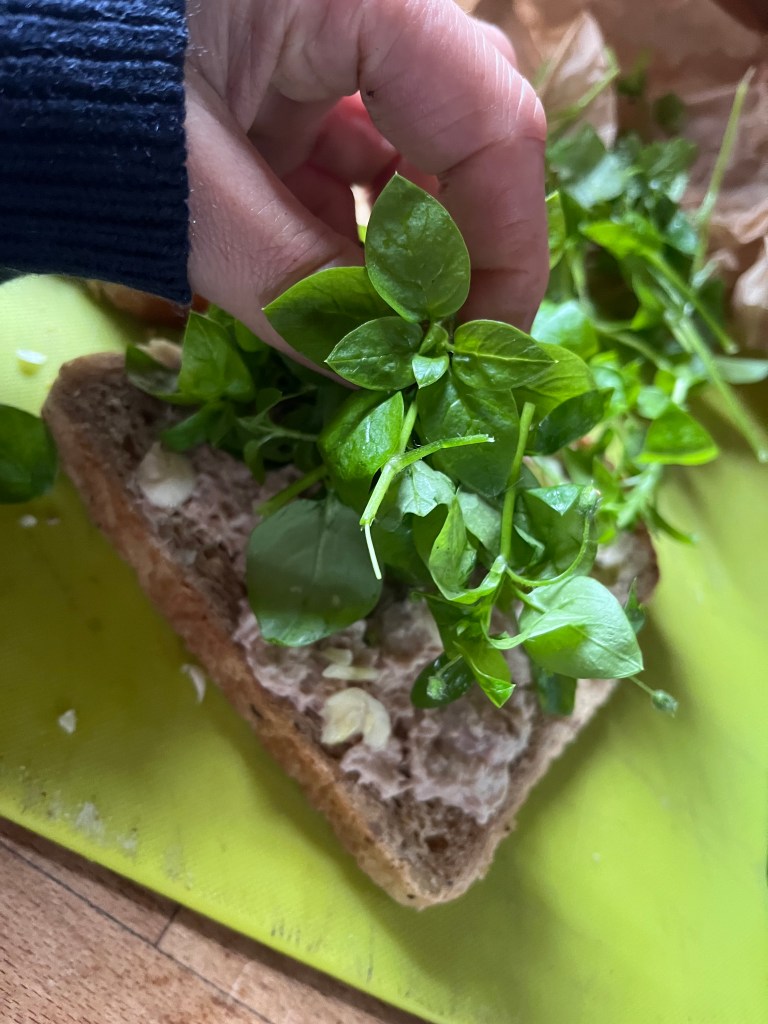
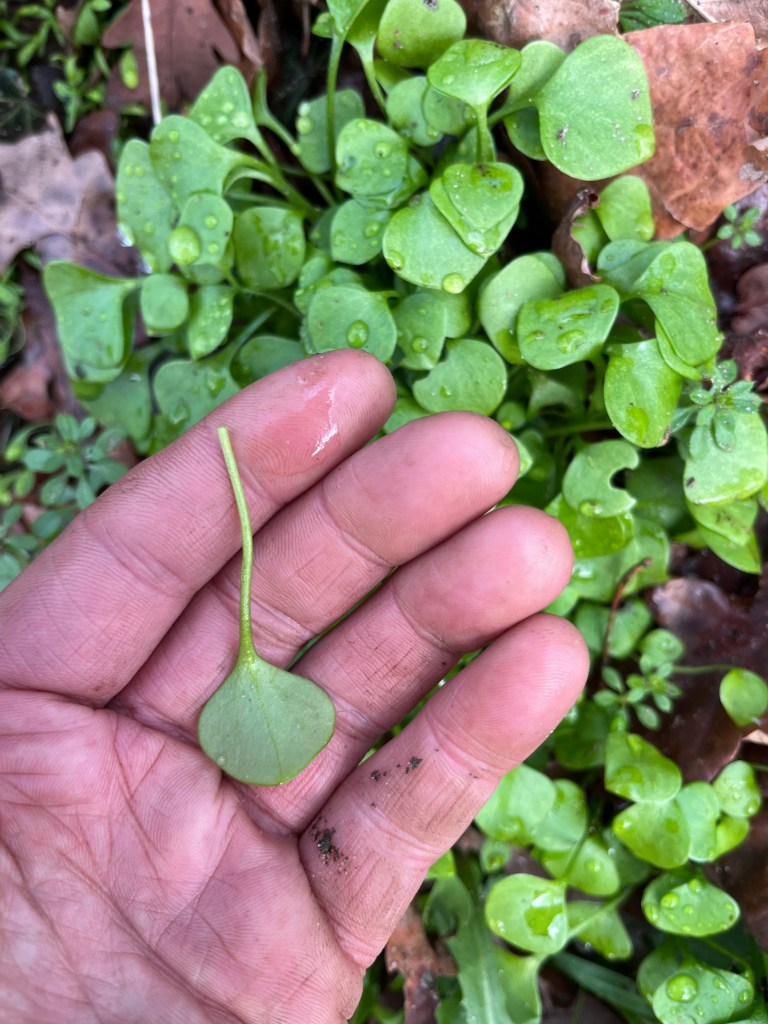
There’s still a fair bit of wild greens to choose from due to mild weather. Chickweed (Stellaria media), Cleavers (Galium aperine, and a good crop of Winter Lamb’s lettuce (Claytonia perfoliata).
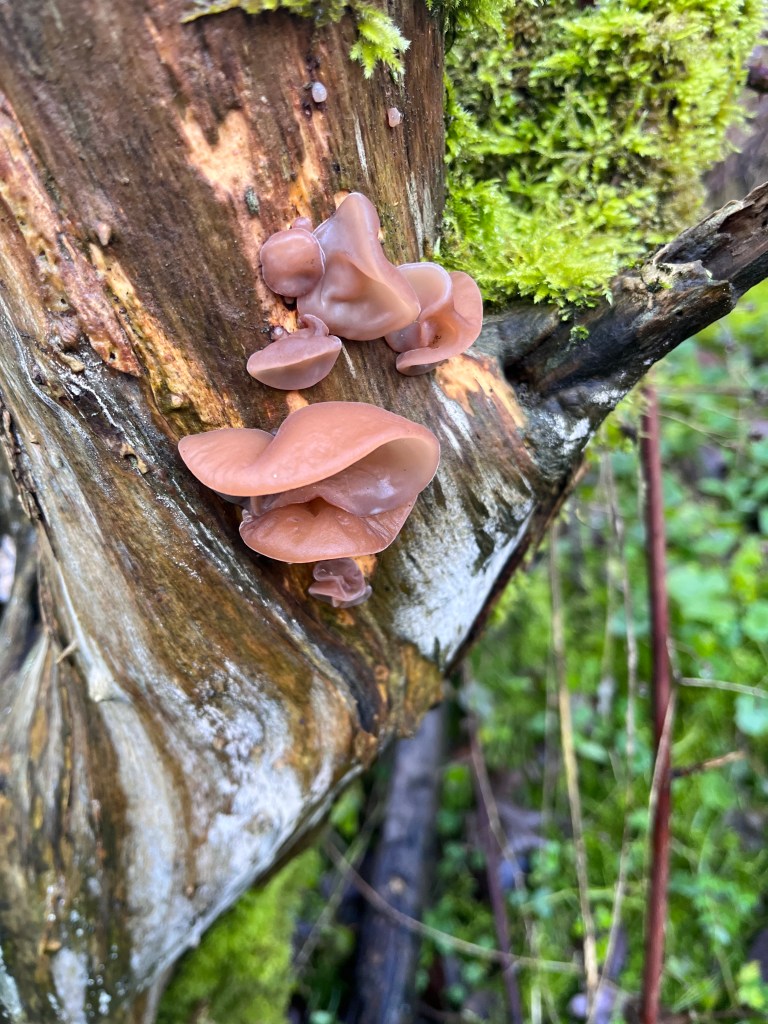
Jelly Ear mushrooms are out now too. Their usual haunt is Elder trees. I found some at Tiddenfoot, but there wasn’t enough to harvest sustainably so I left them alone. If you do find enough, Try fellow forager Fergus Drennan’s idea of ‘Jelly Ear Ravoli’. Open them out like little pitta pockets, then fill with soft cheese and boil for a few minutes. They’re also good in stir-fries. They tend to shrink a fair bit!
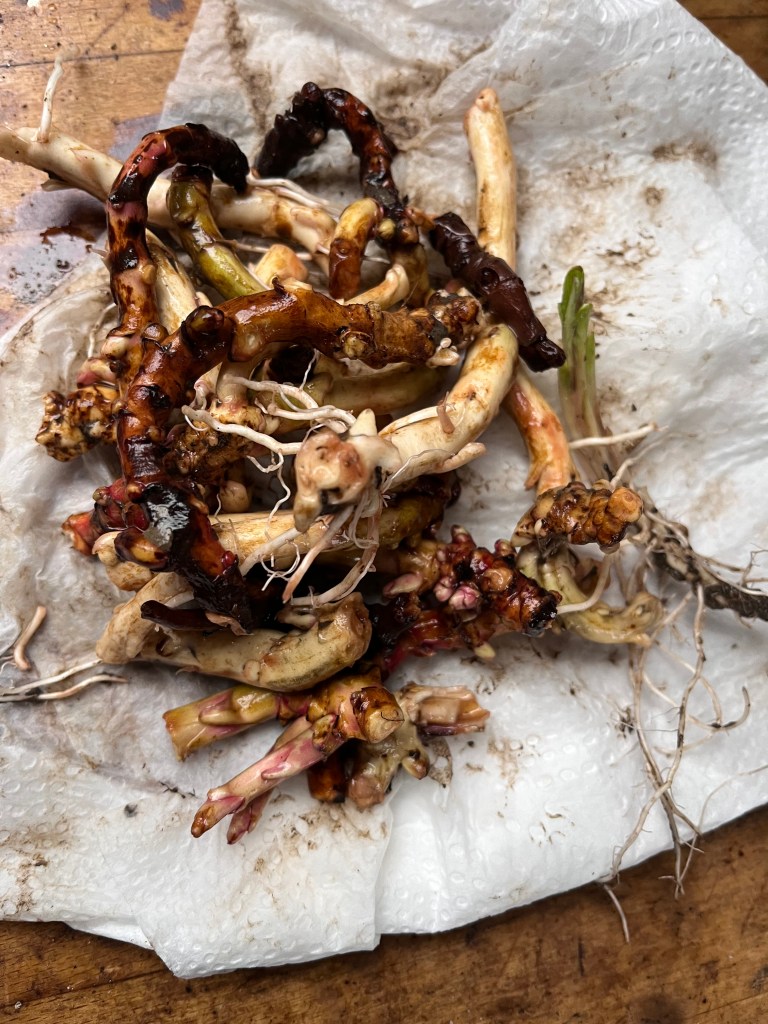
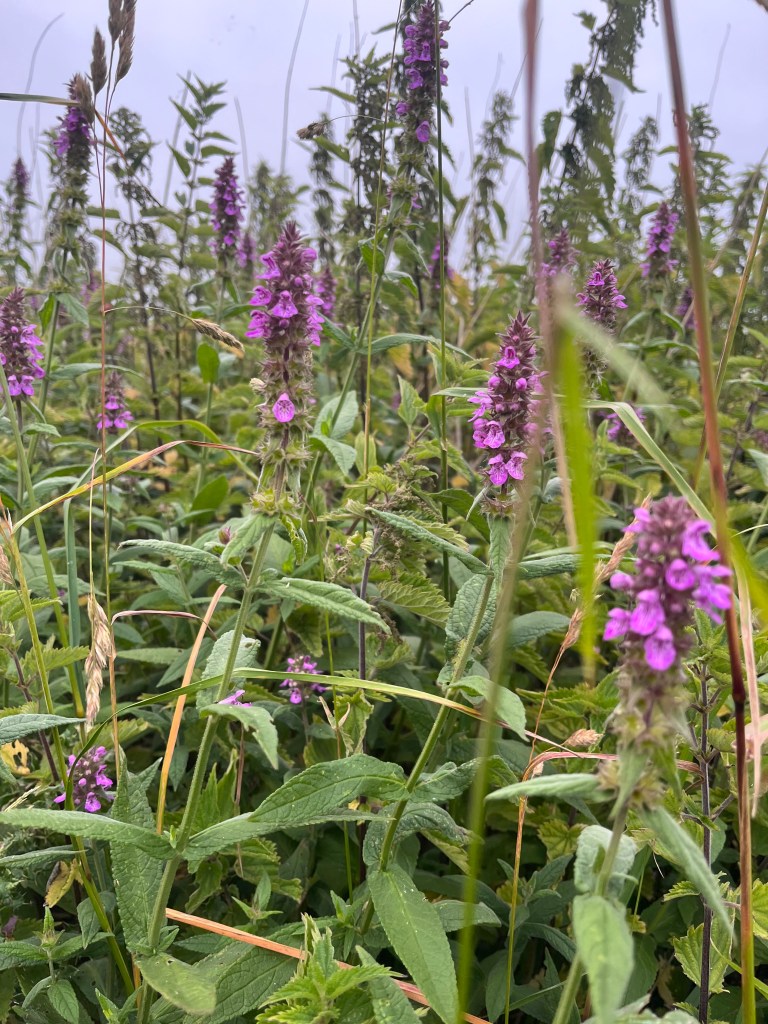
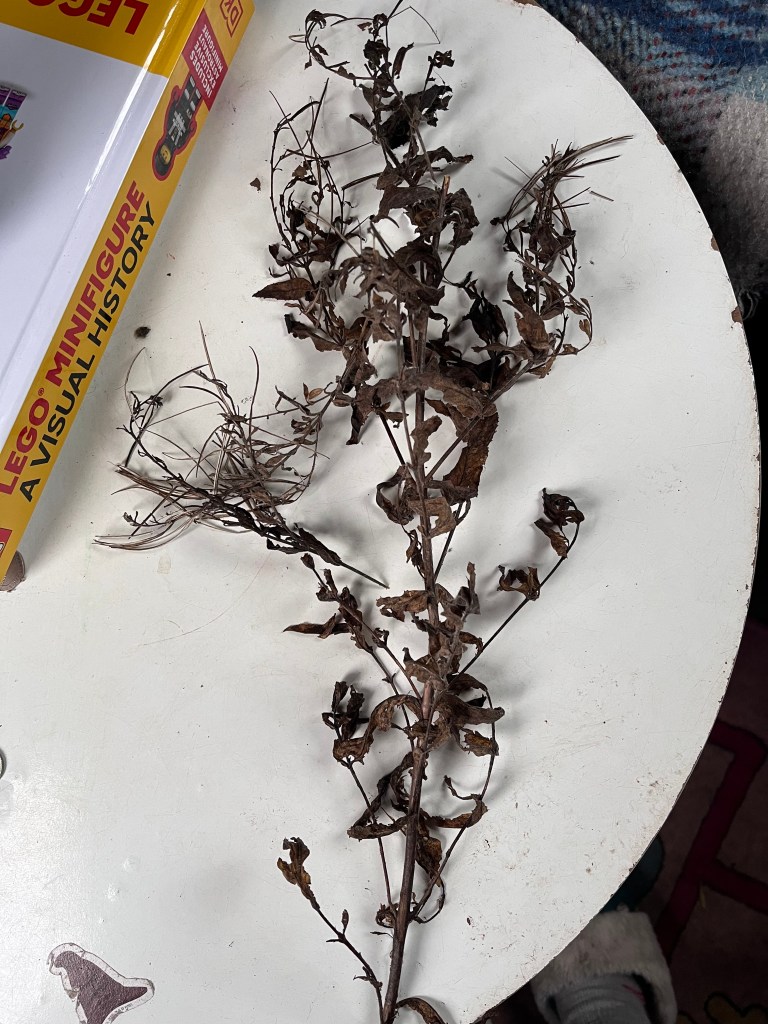
As for carbs, I’ve been collecting and roasting/frying wild winter roots, mostly from my allotment but also from land I have permission to harvest roots from. Here’s a sneak peek of the weirdest root so far: Marsh Woundwort (Stachys palustris). More on weird roots in a later post!
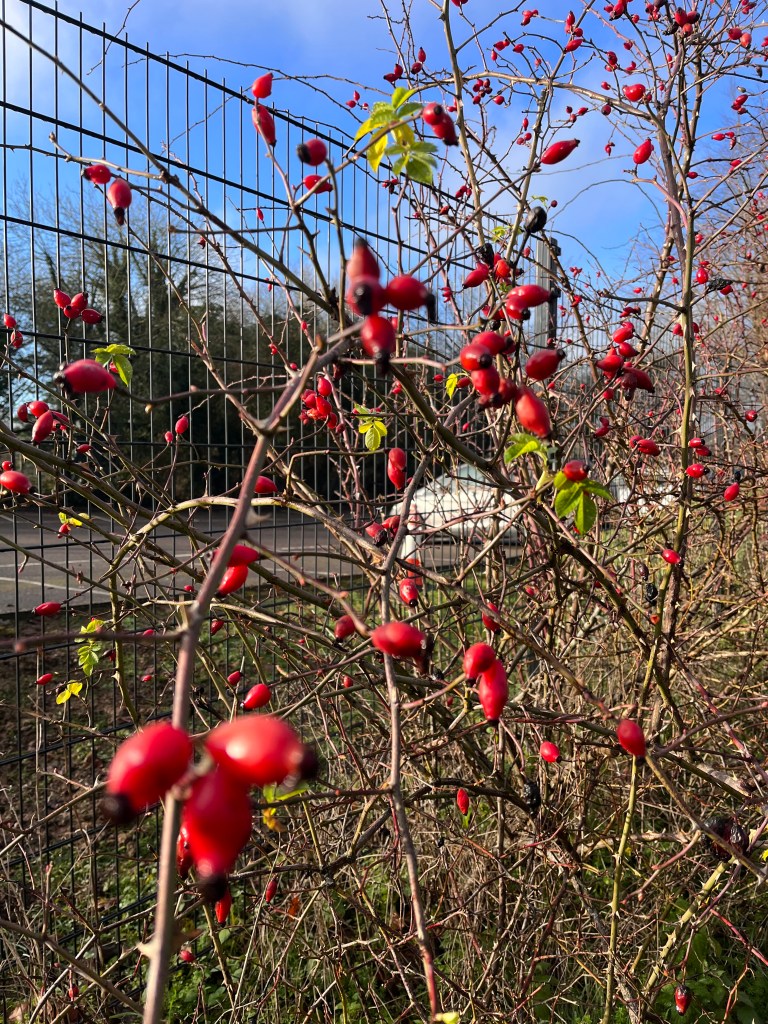
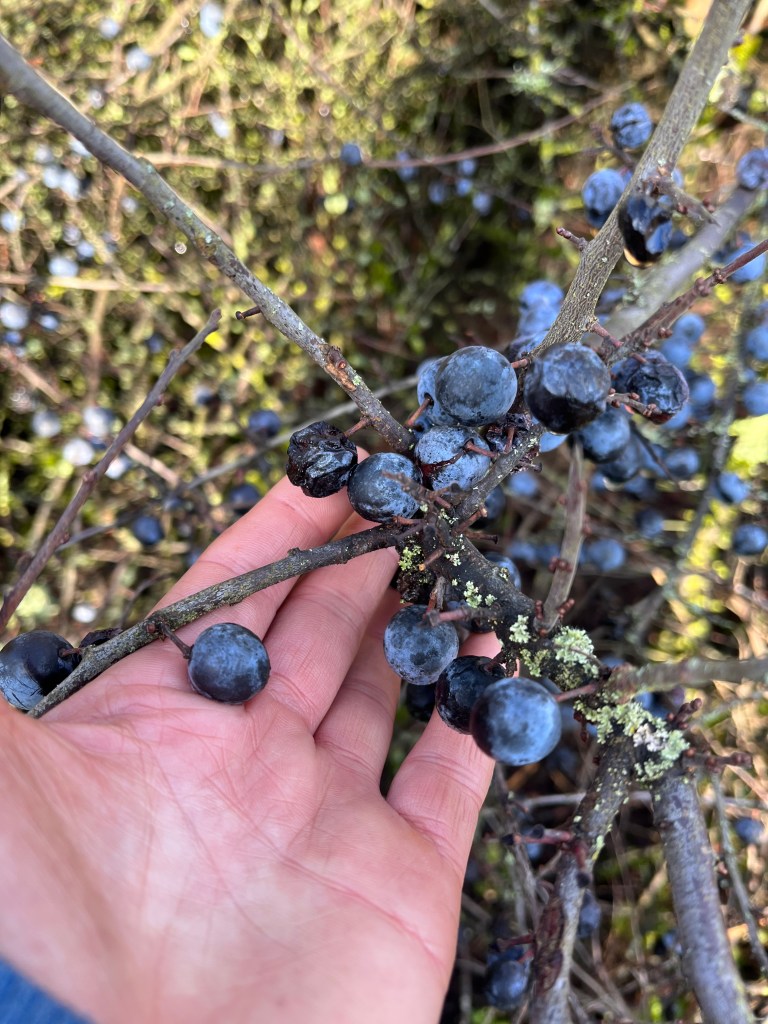
I’ve still been eating Dog Rose hips throughout the winter, with some hip and Sloe bushes still going strong. January is actually the best time to harvest Sloes from Blackthorn bushes, as they have been bletted by the cold and are not as astringent as they are in early winter.
I even ate some raw without making too much of a lemon face!
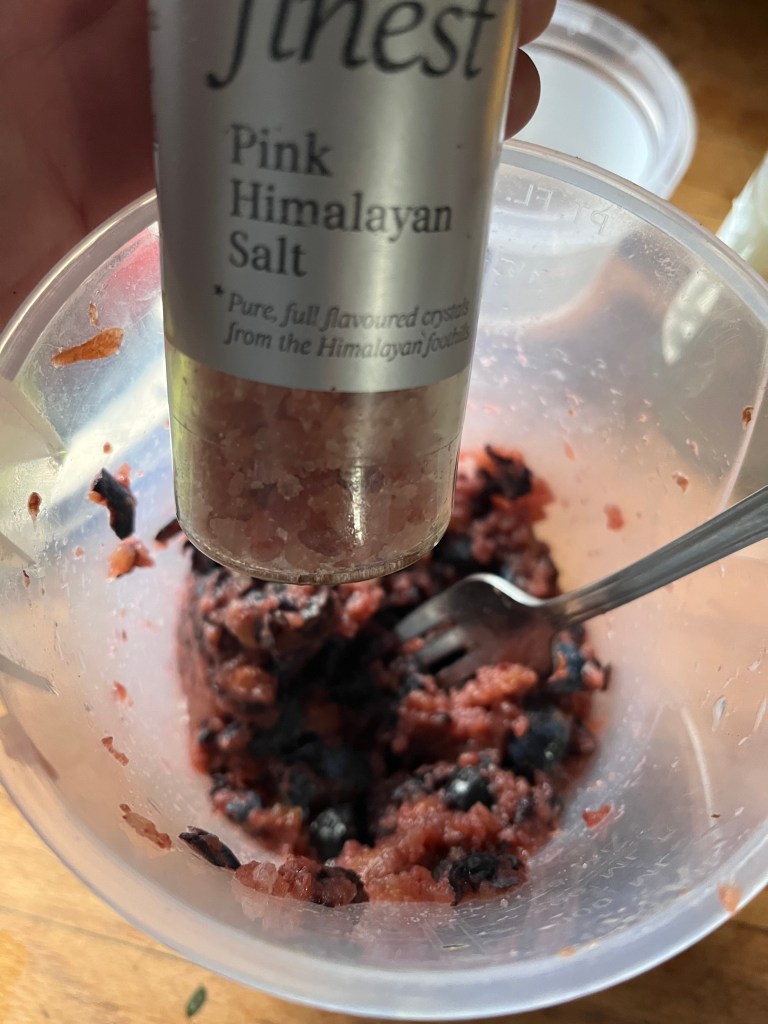
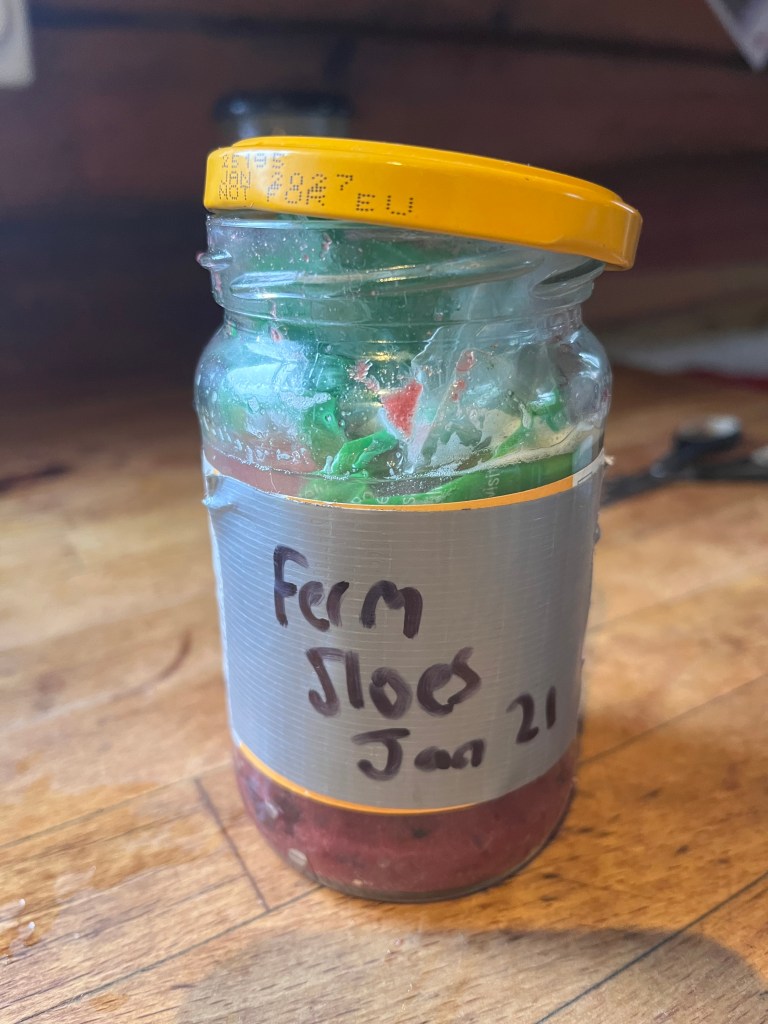
Below, I have squeezed out raw sloe puree and added a pinch of rock salt. I’ve put it in spring water to ferment. Ray Mears and Gordon Hillman explored how Neolithic peoples ate sloes in the book ‘Ray Mears: Wild Food’. Stone Age people fermented sloes in sealed pits dug in the ground. This apparently got rid of the astringency.
I’ll keep you posted on how it goes.
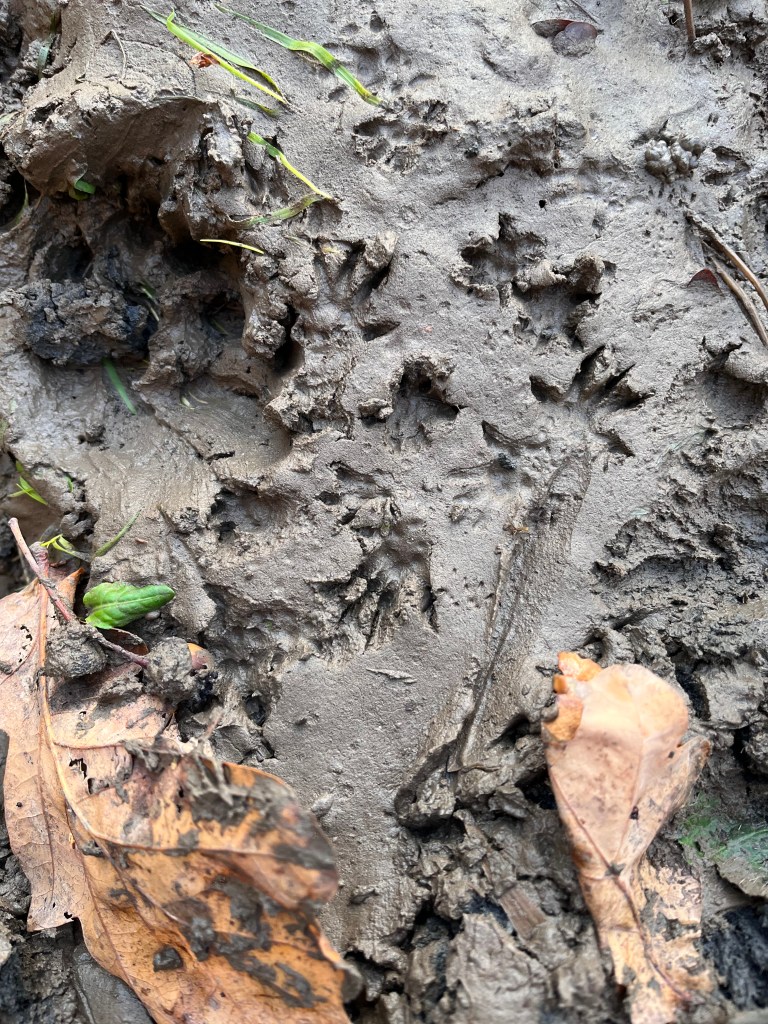
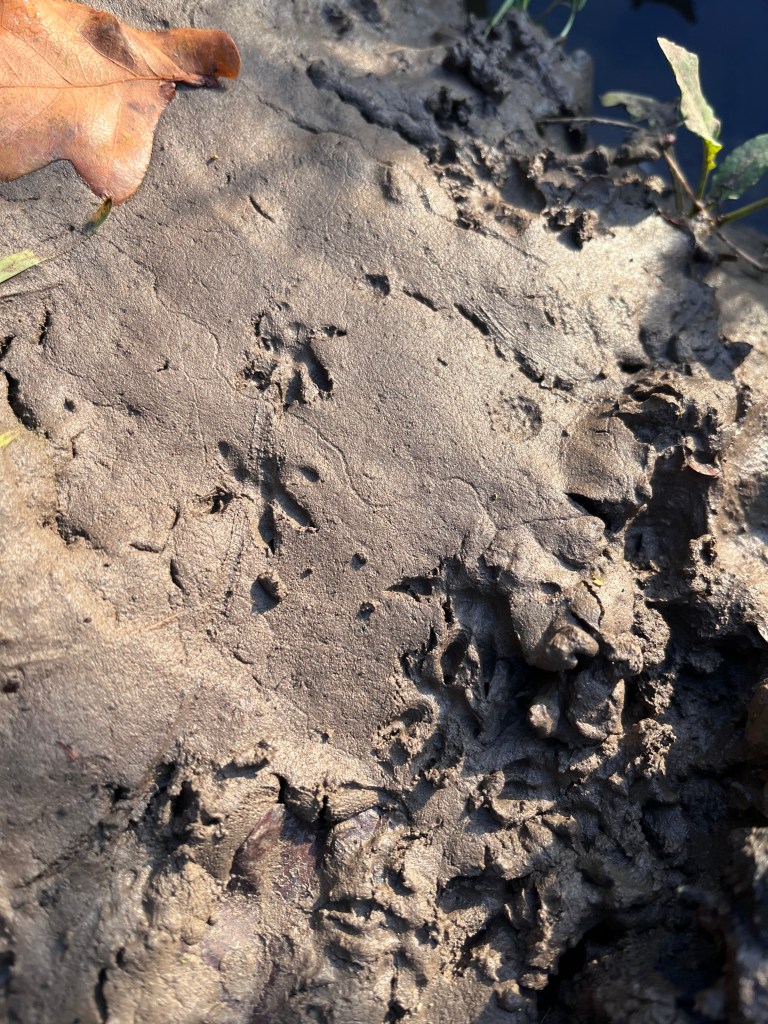
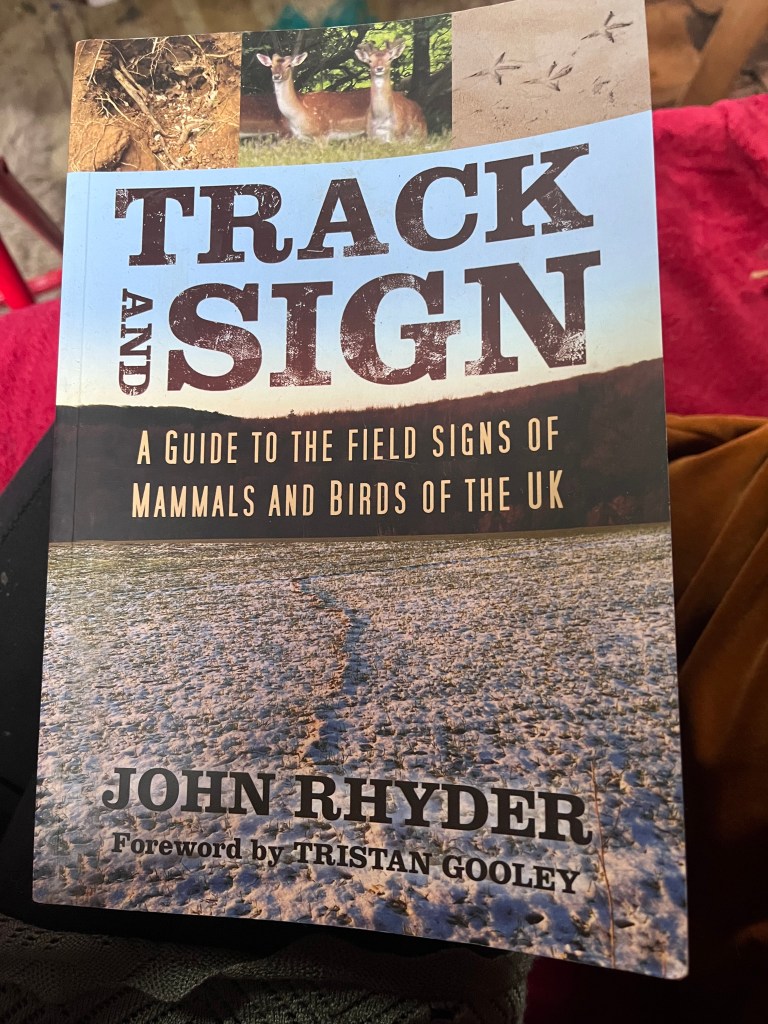
I’ve been spending time learning Track and Sign skills. The wet weather means lots of mud, which preserves some exciting stories like these ones in animal prints and sign.
Like I said, I’m not an expert (yet), but it looks like a Brown Rat had an altercation with a Mink in the one on the left. I hoped it was a Water Vole (endangered), but it’s more likely a rat. The one in the middle looks like a Coot. You can see the bumpy ridges on its feet and the backward-pointing toe.
(If I’m totally wrong, feel free to let me know.)
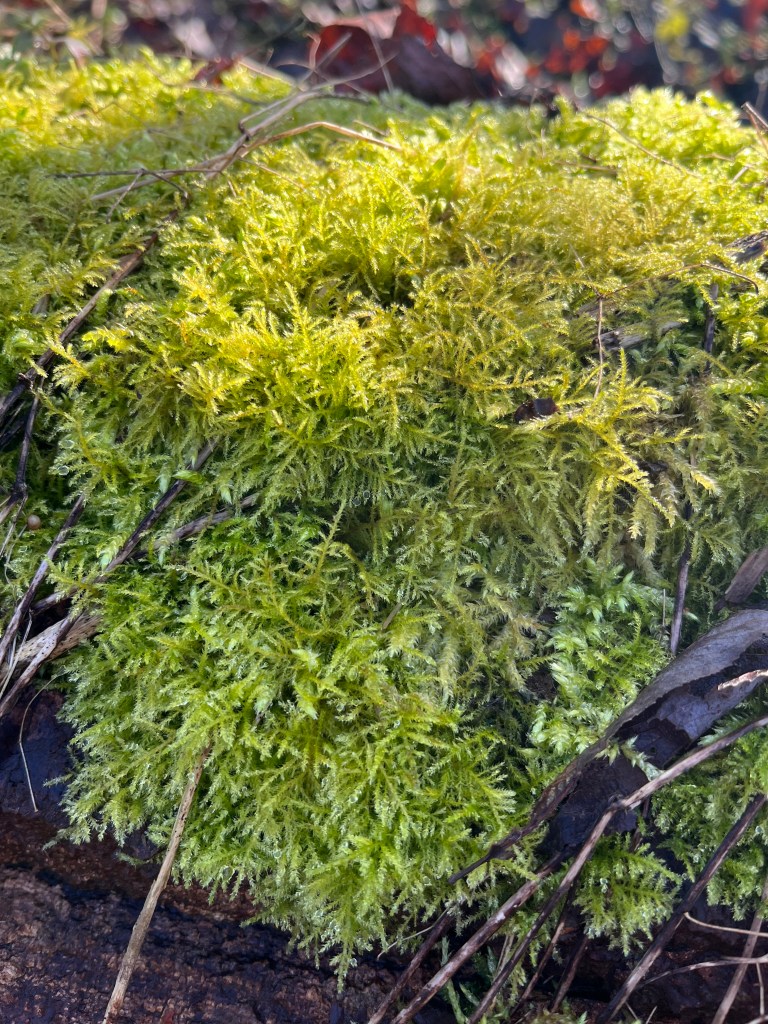
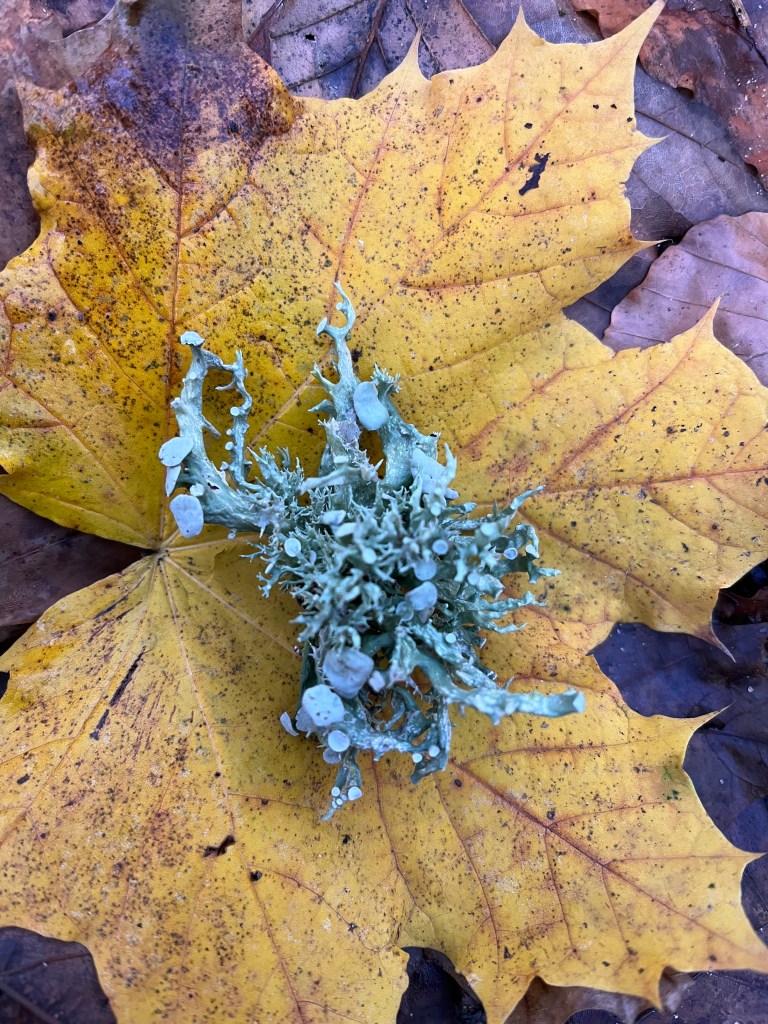
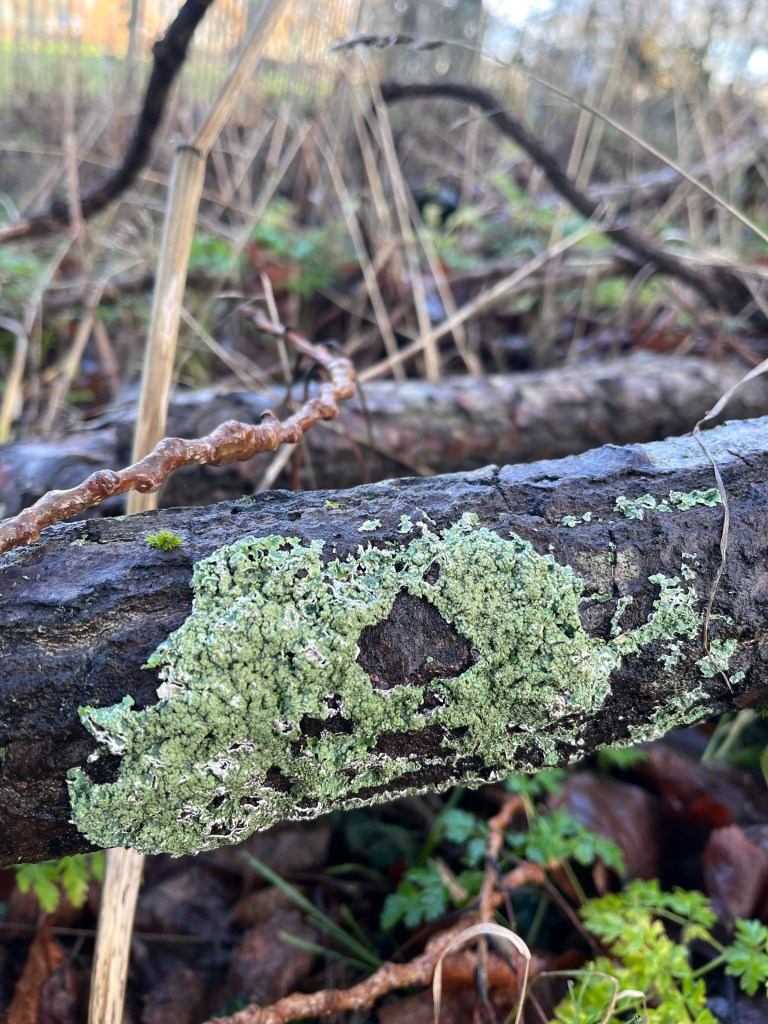
Lastly, I’m enjoying the array of Moss and Lichen on show in my local nature reserve. These amazing yet undersung organisms are a symphony of fungi and algae/cyanobacteria.
There’s a brill video on Lichens here on Youtube – 40 minutes of lichen-related fascinating facts! No, really.
Make sure you’re all getting out for some muted sunshine at least a few times a week. It’s easy to put mental health on pause in these dark winter days. My Spring forages are not far away!
xx Hedgewitch Kat xx
 HEDGEWITCH ADVENTURES Blog